In short
- Hashimoto’s thyroiditis is an autoimmune disease in which the immune system attacks the thyroid. In the US it is the most common cause of hypothyroidism.
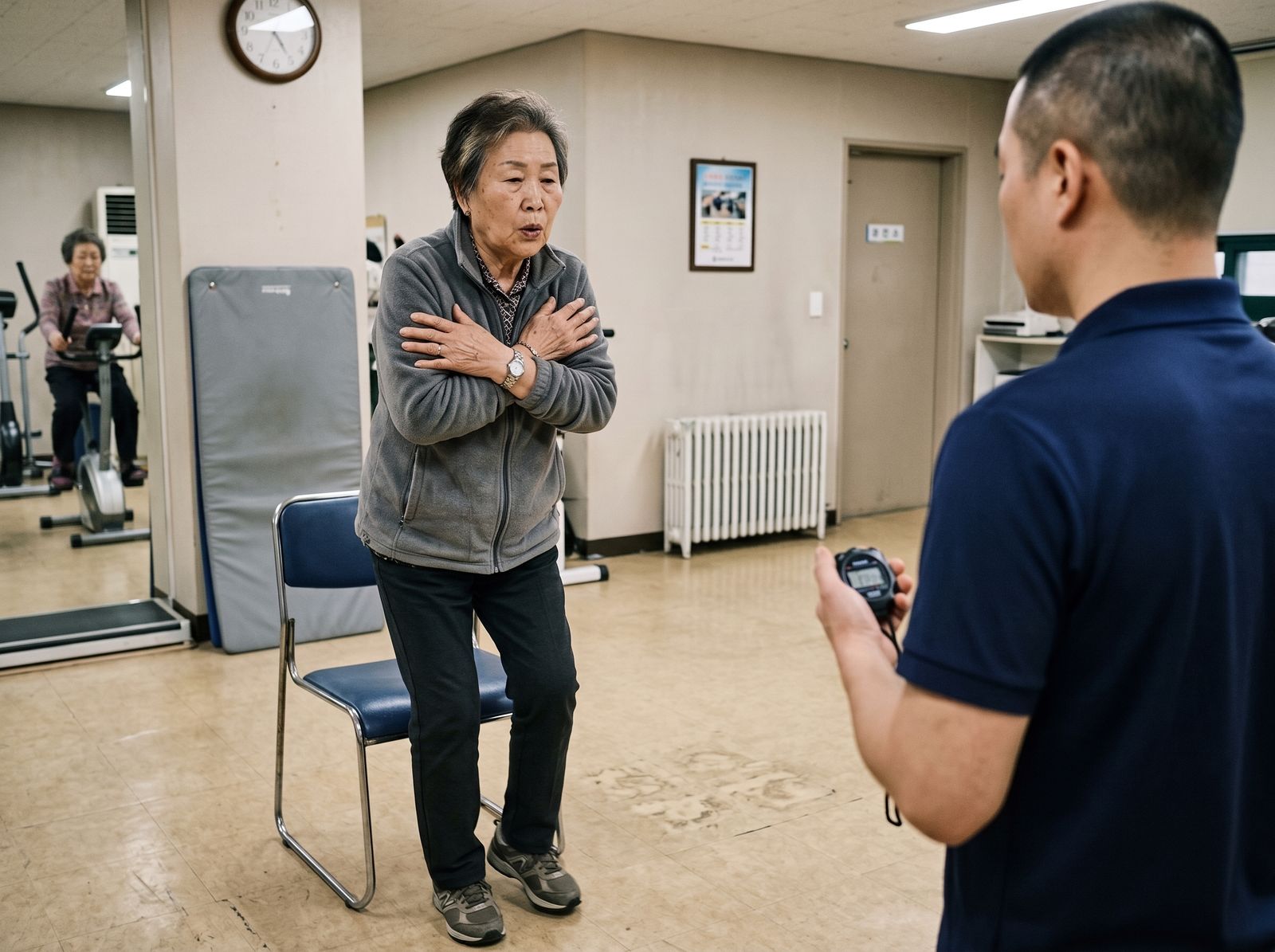
- In a Mayo Clinic study of people starting levothyroxine for hypothyroidism, about one in four had persisting or new symptoms despite a normal TSH, most often fatigue.
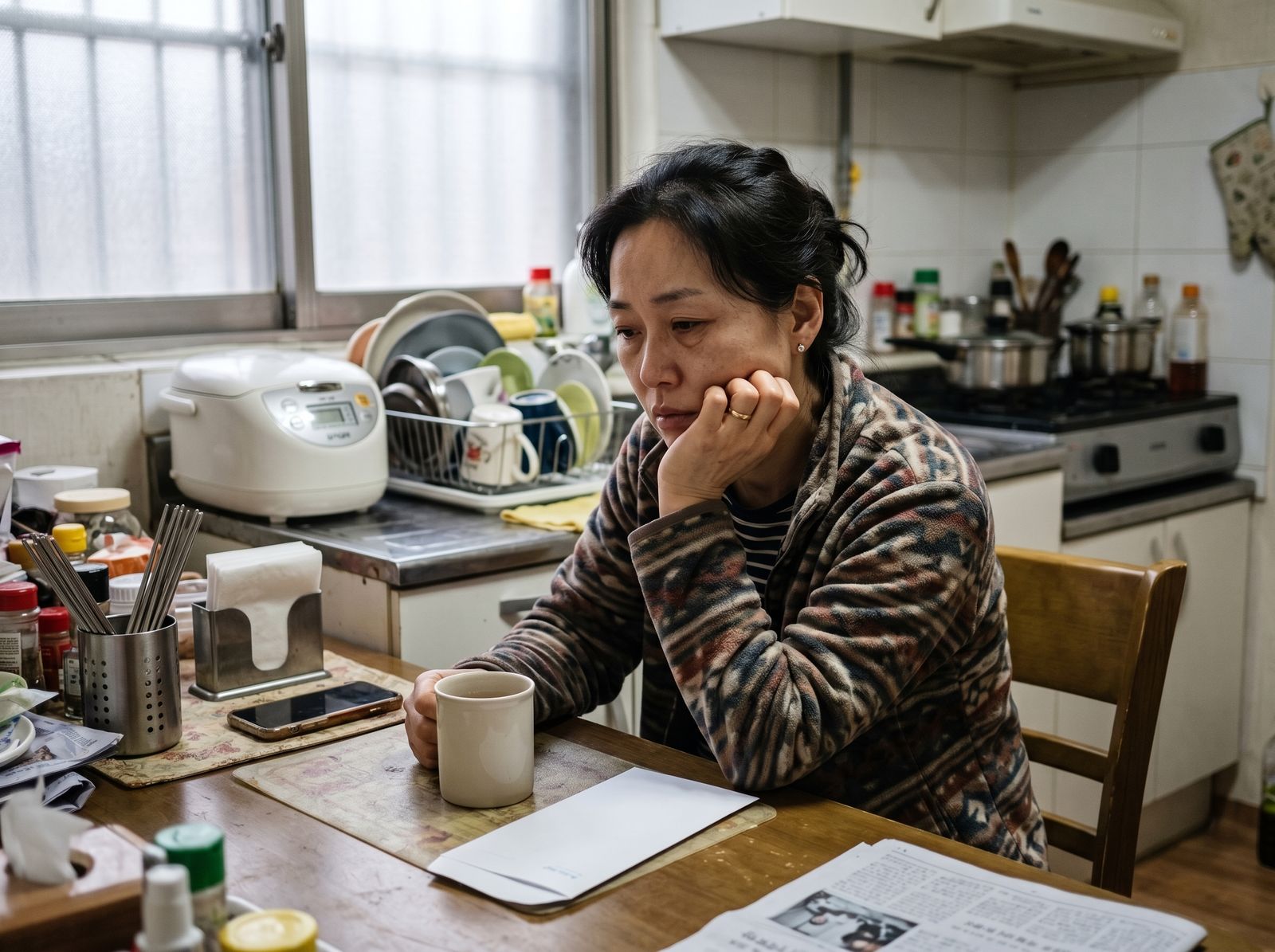
- Fatigue has many causes, including poor sleep, iron deficiency, depression, menopause and other autoimmune diseases, and often is not explained by the thyroid alone.
- Do not change your dose yourself. If tiredness lasts weeks or affects daily life, work through the possible causes with your doctor.
What Hashimoto’s thyroiditis is
According to the American Thyroid Association (ATA), Hashimoto’s thyroiditis is an autoimmune disorder in which the body makes antibodies to thyroid peroxidase (TPO) or thyroglobulin (Tg) that inflame the thyroid. Over time the inflammation can leave the gland unable to make enough hormone, which is hypothyroidism; in the US it is the most common cause. It often runs in families and is more common in women.
Thyroid hormones help the body use energy, stay warm and keep the brain, heart and muscles working. A shortfall can therefore cause tiredness. Treatment replaces the hormone with levothyroxine, with the dose adjusted according to TSH.
What TSH and T4 measure
TSH (thyroid stimulating hormone) comes not from the thyroid but from the pituitary gland at the base of the brain. When the pituitary senses little T4 (thyroxine) in the blood it releases more TSH to push the thyroid harder, and when there is enough it backs off; the ATA compares this to a thermostat and a heater. A high TSH means too little thyroid hormone, and in most healthy people a normal TSH means the thyroid is working properly.
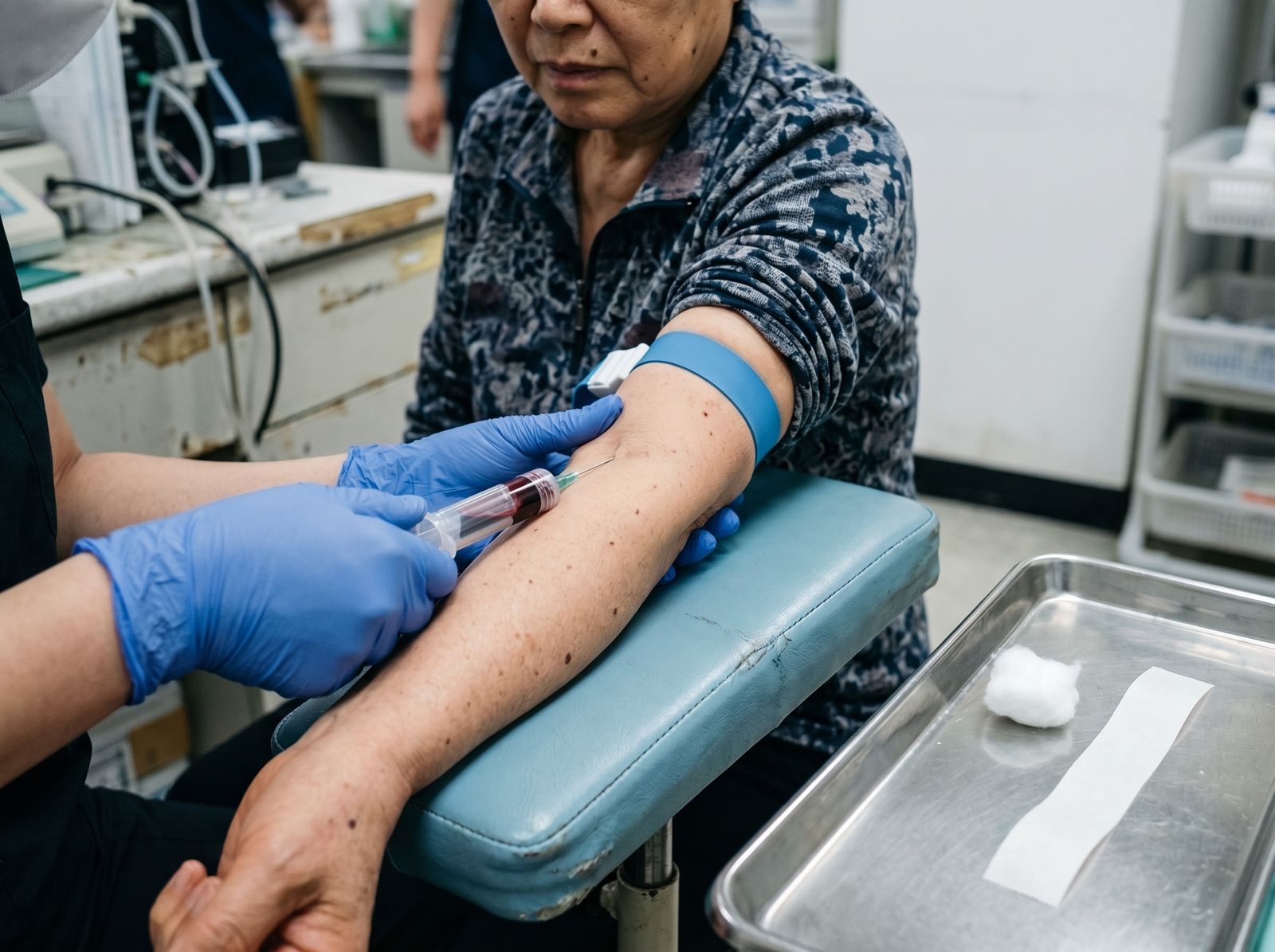
- Free T4 measures the hormone that is unbound and able to act on tissues. Read with TSH, it gives a more accurate picture.
- T3 is the last test to become abnormal in hypothyroidism and rarely helps, and the ATA says reverse T3 is not clinically useful in healthy, non-hospitalised people.
- Thyroid antibodies help with the initial diagnosis, but tracking their levels over time does not help judge thyroid function.
- Biotin, a common supplement, can make several thyroid tests look abnormal when they are not; the ATA advises stopping it two days before a blood test.
How common is feeling unwell with a normal TSH?
In 2024, Mayo Clinic researchers reviewed records of 356 patients who started levothyroxine for hypothyroidism between 2017 and 2019. At each follow-up, roughly 27% to 28% had persisting or new symptoms despite a normal TSH, with fatigue the most consistent. The authors say the cause of these symptoms remains unclear. The study covered hypothyroidism in general, not only Hashimoto’s.
Whether autoimmunity itself plays a part is also being studied. A 2021 Dutch systematic review of 30 studies found that most reported a link between thyroid autoimmunity and persisting symptoms or lower quality of life in Hashimoto’s patients with normal hormone levels. Outcome measures differed too much to pool the data, and proving cause would need intervention trials.
Causes to check beyond the thyroid
An endocrinologist writing on the ATA blog notes that fatigue and weight gain affect up to half of all adults, that vague symptoms in this setting usually have several causes, and that the thyroid is rarely the main or only one. Worth looking at:
- Sleep: short or poor-quality sleep is among the most common causes. Loud snoring with gasping or choking at night can point to sleep apnoea.
- Iron: iron deficiency is common in menstruating women and can cause similar symptoms even without anaemia or a clearly low ferritin.
- Vitamin B12: pernicious anaemia, in which the immune system attacks stomach cells and blocks B12 absorption, is the most common cause of B12 deficiency in the UK and can cause tiredness and memory problems. Deficiency becomes more common with age.
- Other autoimmune diseases: Hashimoto’s comes with higher rates of others, such as lupus, rheumatoid arthritis and coeliac disease.
- Mood and lifestyle: overwork, poor diet and too little exercise are common causes, and Hashimoto’s often comes with conditions such as depression. Menopause can add to fatigue when hot flushes disturb sleep.
ME/CFS, another condition of long-lasting fatigue, is covered in a separate article.
What to discuss with your doctor
- Whether TSH has been rechecked over time rather than once, and free T4 checked alongside it
- Missed doses: the ATA notes that too low a dose or frequently missed doses can leave symptoms
- Whether tests for other causes, such as anaemia, iron, vitamin B12 or blood sugar, are needed
- Changes in sleep, mood, periods or menopausal symptoms
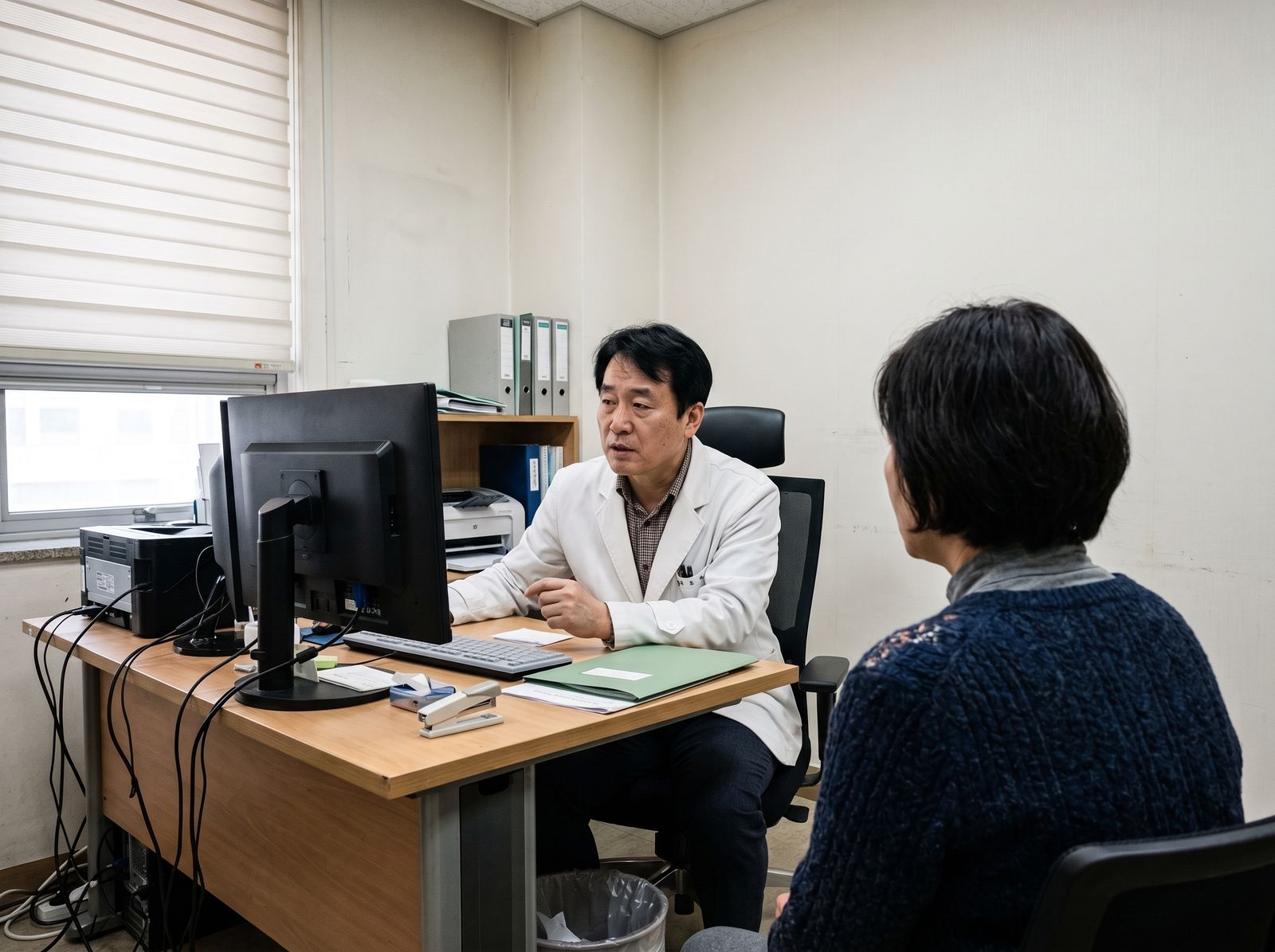
Some people hear that aiming for a lower TSH within the normal range helps, but the ATA blog author considers the benefit unclear and warns that overtreatment carries risks. Do not change the dose or type of medication yourself; discuss it with your doctor. If you have felt tired for a few weeks without knowing why, if it affects daily life, or if it comes with weight loss or mood changes, contact your doctor rather than waiting for the next routine visit.
Questions
Why am I still tired if my thyroid levels are normal?
The cause is not yet clear. Non-thyroid factors such as sleep, iron or B12 deficiency, depression, menopause or other autoimmune diseases often overlap, so it is worth checking them one by one with your doctor.
Which tests besides TSH matter in Hashimoto’s?
The ATA says free T4 read alongside TSH gives a more accurate picture. Repeating T3, reverse T3 or antibody levels is usually unhelpful. Tests for other causes of fatigue are best decided with your doctor.
Should I take more thyroid medication if I feel tired?
Not on your own. The benefit of targeting a lower TSH is unclear and too much hormone can do harm. Dose changes should always go through your doctor.
Sources
- American Thyroid Association. Hashimoto’s Thyroiditis (patient information)
- American Thyroid Association. Thyroid Function Tests (patient information)
- Gigliotti B. An Approach to the Patient with Thyroid Disease and High Symptom Burden. American Thyroid Association, Thyroid Health Blog
- Hidalgo J, Vallejo BA, Soto Jacome C, et al. Real Practice Assessment of Persistent Symptoms After Initiation of Levothyroxine. Endocr Pract. 2024
- Groenewegen KL, Mooij CF, van Trotsenburg ASP. Persisting symptoms in patients with Hashimoto’s disease despite normal thyroid hormone levels: Does thyroid autoimmunity play a role? A systematic review. J Transl Autoimmun. 2021
- NHS. Vitamin B12 or folate deficiency anaemia
Want to know more?
If you’d like to try BAHI Longevity or talk to us, leave your details and we’ll be in touch.