Blog
What research says about the technologies we work with, the body, food and recovery, with sources. We set out what is known and what is not yet.
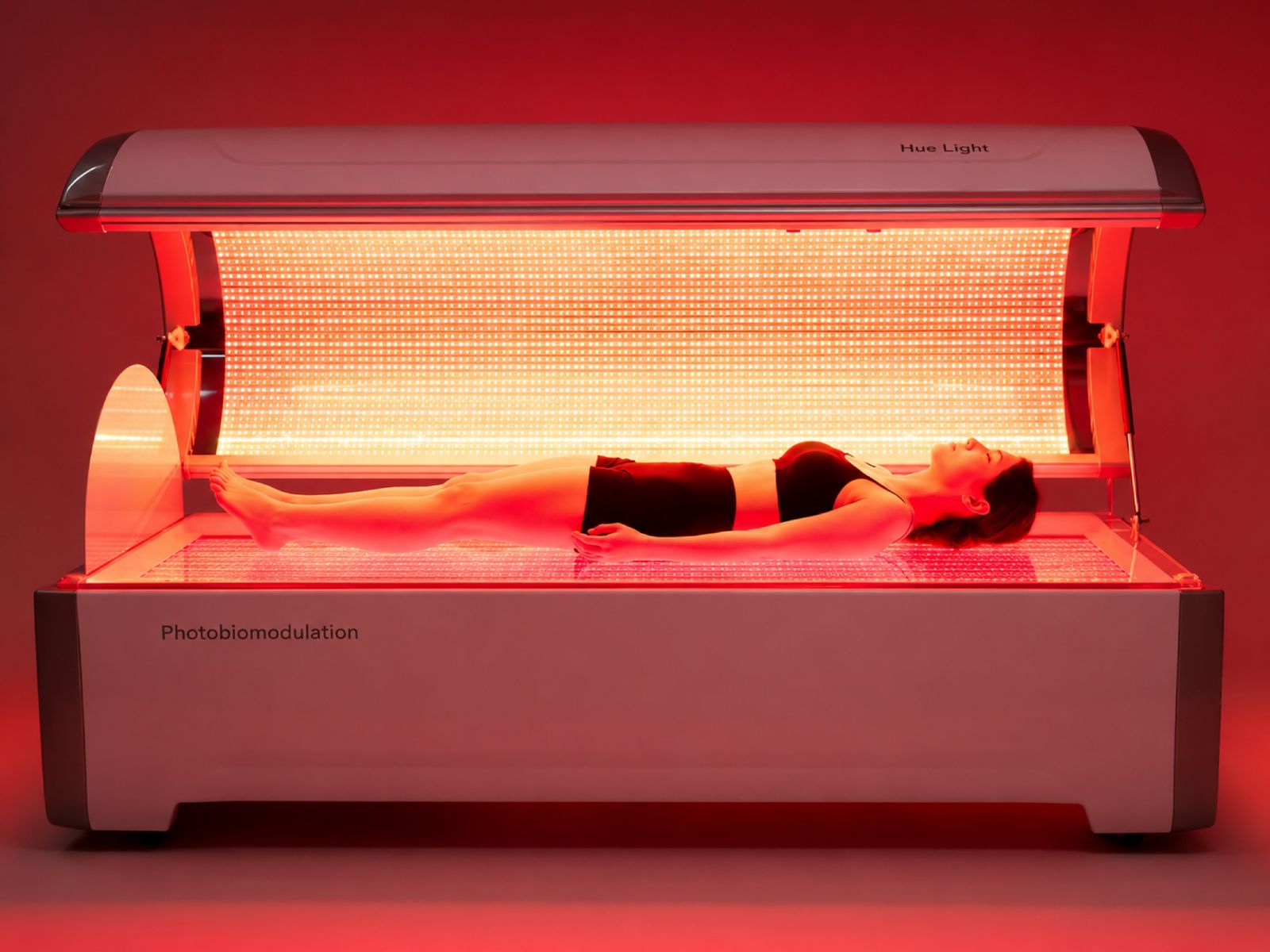
Photobiomodulation: when light reaches the cell
Photobiomodulation (PBM) shines red and near-infrared light on the body. Which wavelengths it uses, what is thought to happen inside the cell, and how far the research has come, with sources.
Read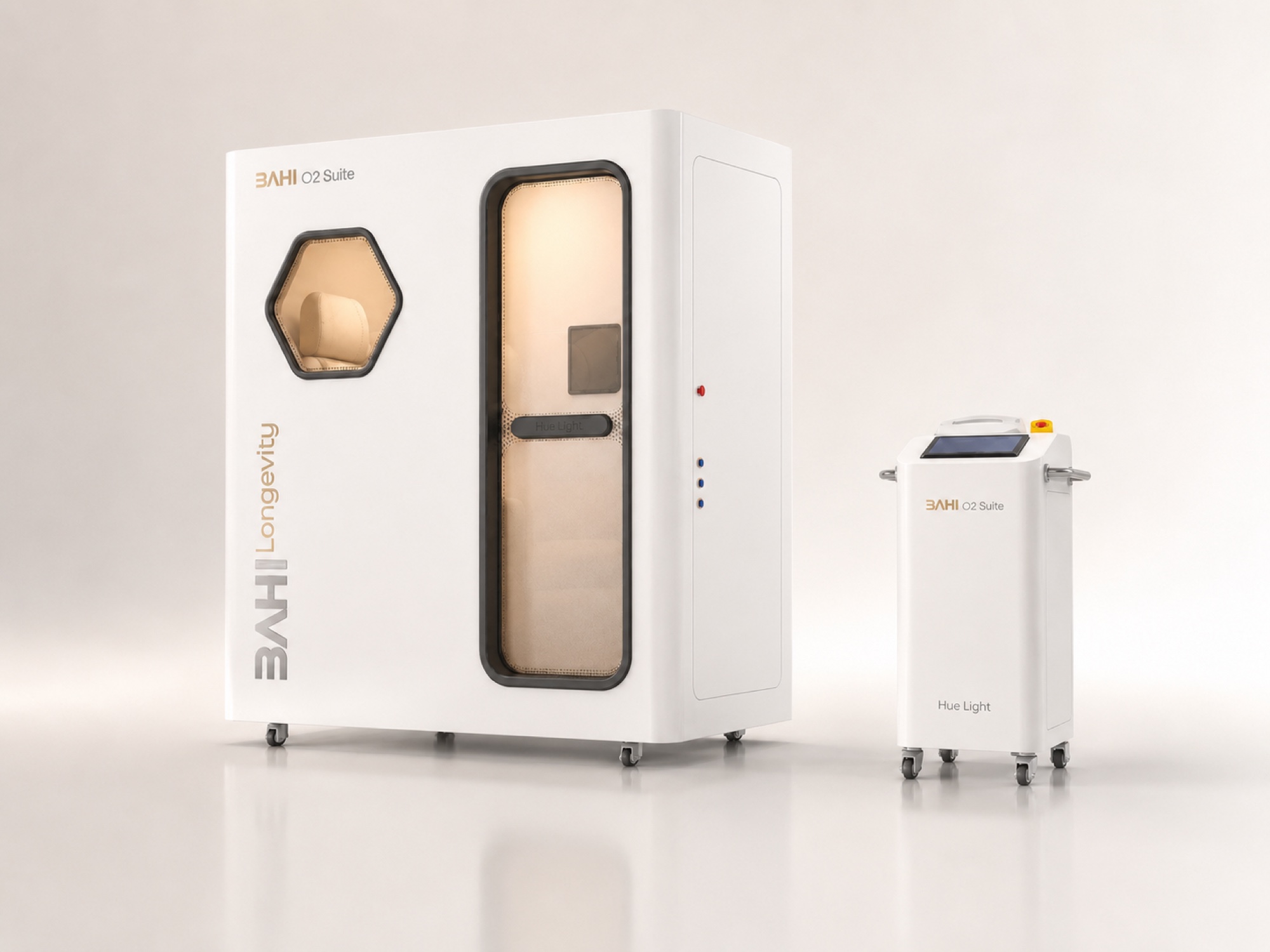
Hyperbaric oxygen: how pressure dissolves oxygen
Hyperbaric oxygen therapy (HBOT) means breathing oxygen at raised pressure so more of it dissolves in the blood. The principle through Henry’s law, the medical indications, how low-pressure wellness chambers differ, and safety.
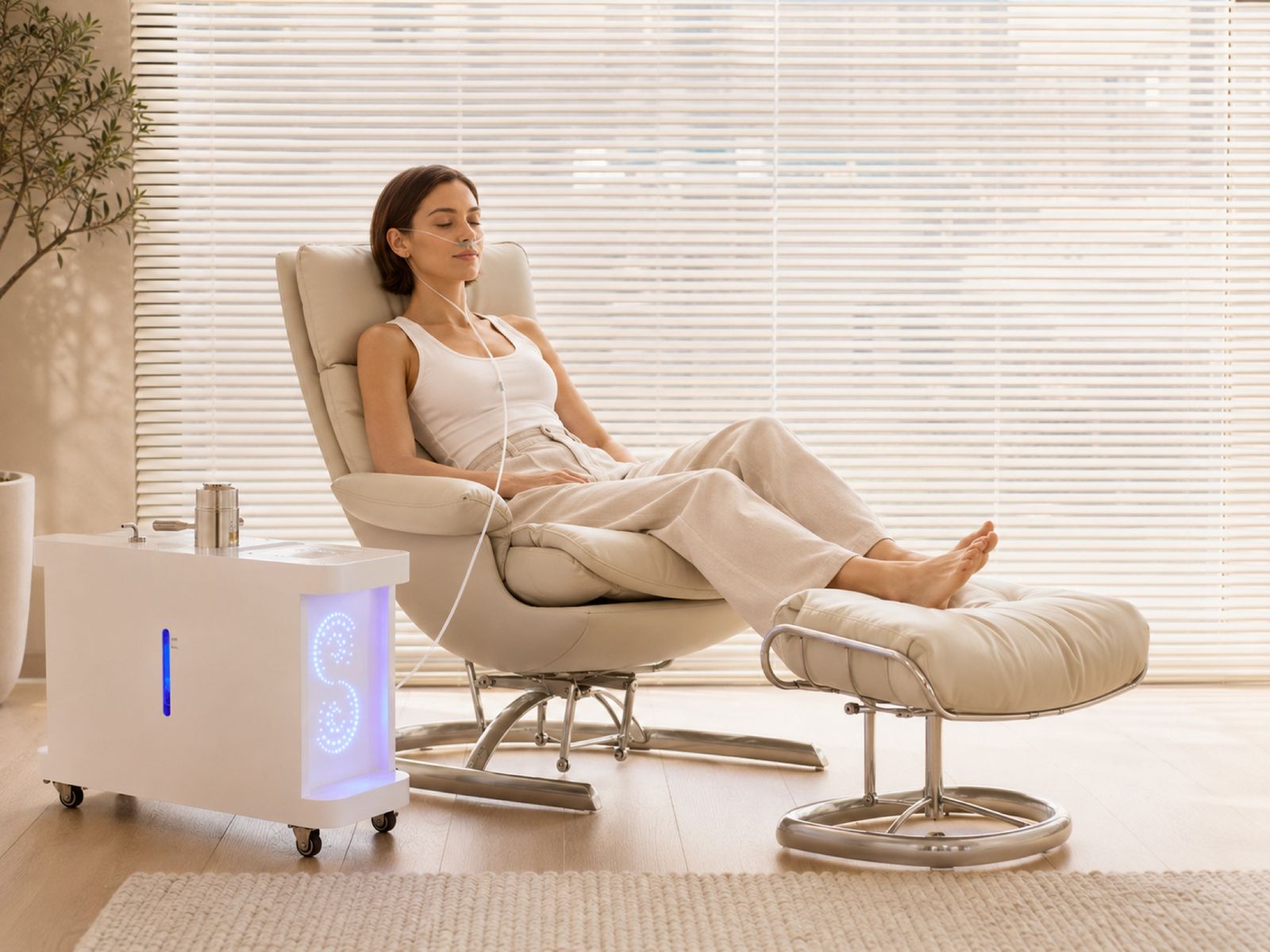
Hydrogen inhalation: research on the smallest molecule
Hydrogen inhalation means breathing molecular hydrogen (H₂) gas. The research since a 2007 Nature Medicine paper, a clinical trial after cardiac arrest, how it differs from hydrogen water, what is still unknown, and safety.
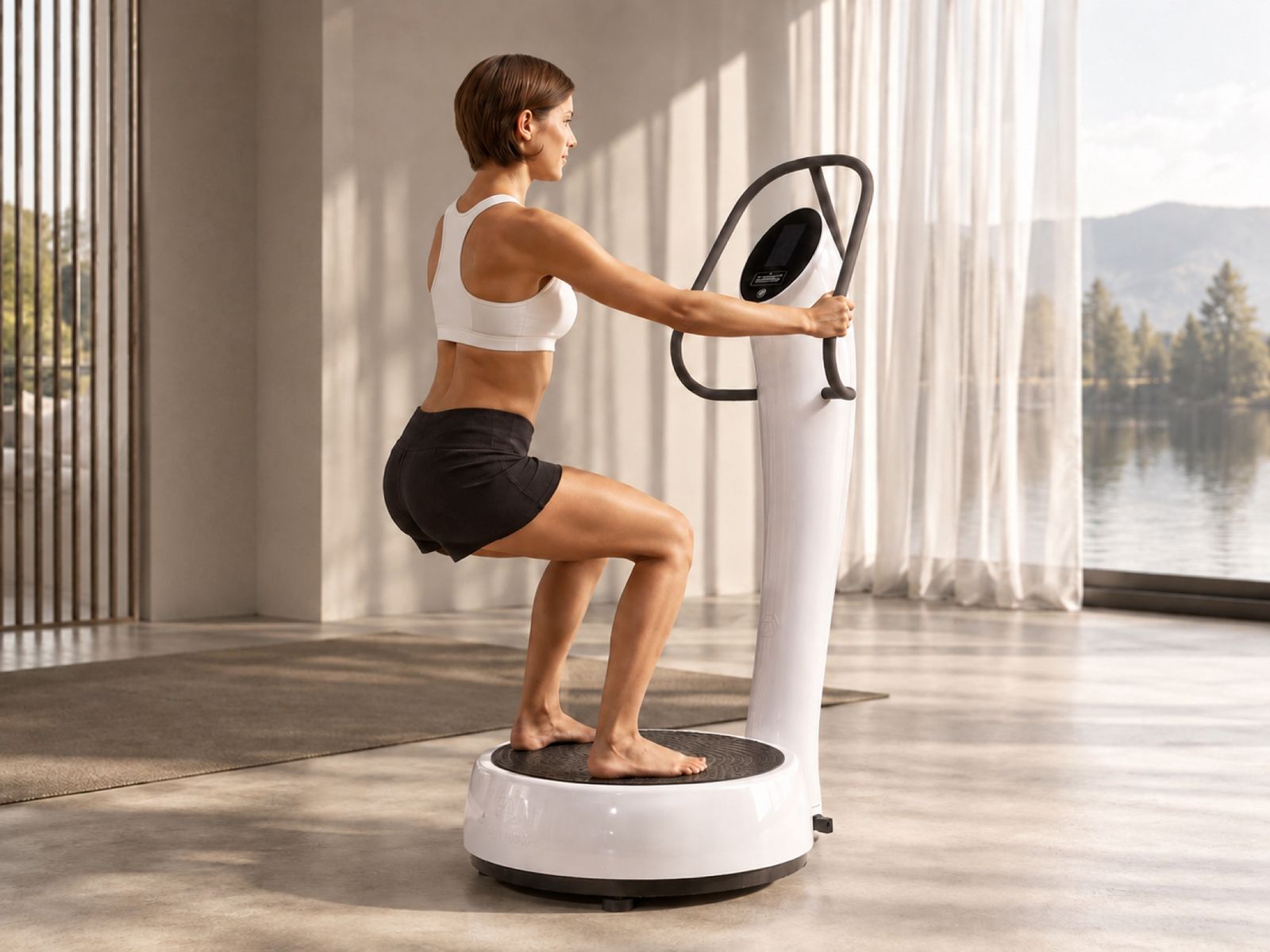
PEMF and whole-body vibration: two rhythms that reach the body
PEMF (pulsed electromagnetic field) therapy began with bone-healing research in the 1970s; whole-body vibration came from exercise physiology. How each is thought to act on the body, the evidence, and what to check before use.
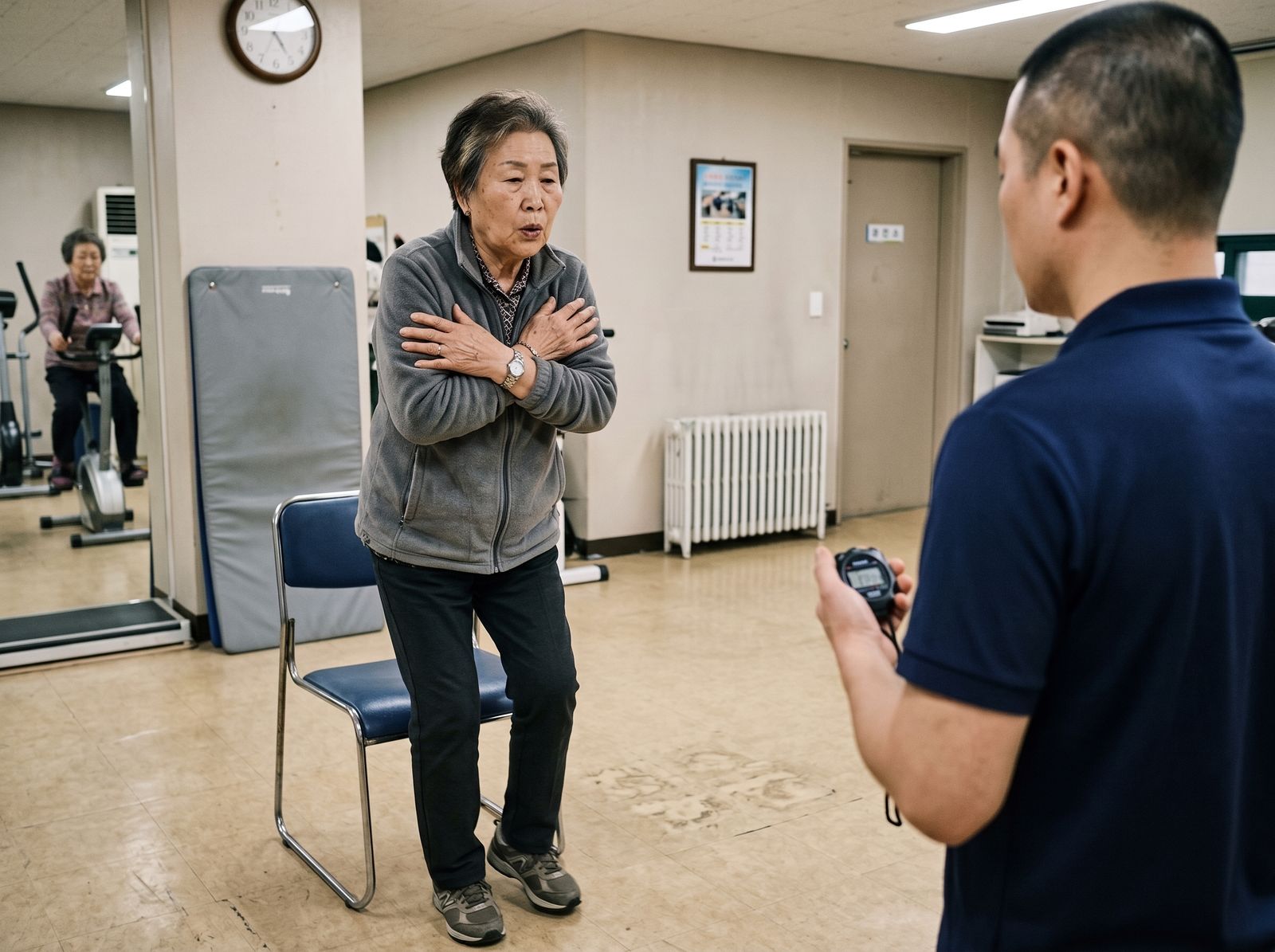
What getting up from a chair says about how your body is ageing
Chair stand and sitting-rising tests capture leg strength, power and balance. What cohorts in Taiwan and Brazil found, how the tests work, and their limits.
Does sleeping in at the weekend pay back the week? Catch-up sleep and social jetlag
Does sleeping in at the weekend repay weekday sleep loss? Social jetlag, a catch-up sleep experiment, a large cohort and the skin studies, with their limits.
Hashimoto’s thyroiditis: why you can feel tired when your thyroid levels are normal
Treated for Hashimoto’s, TSH normal, still exhausted? What TSH and T4 measure, research on persisting symptoms, and other causes like iron and sleep.
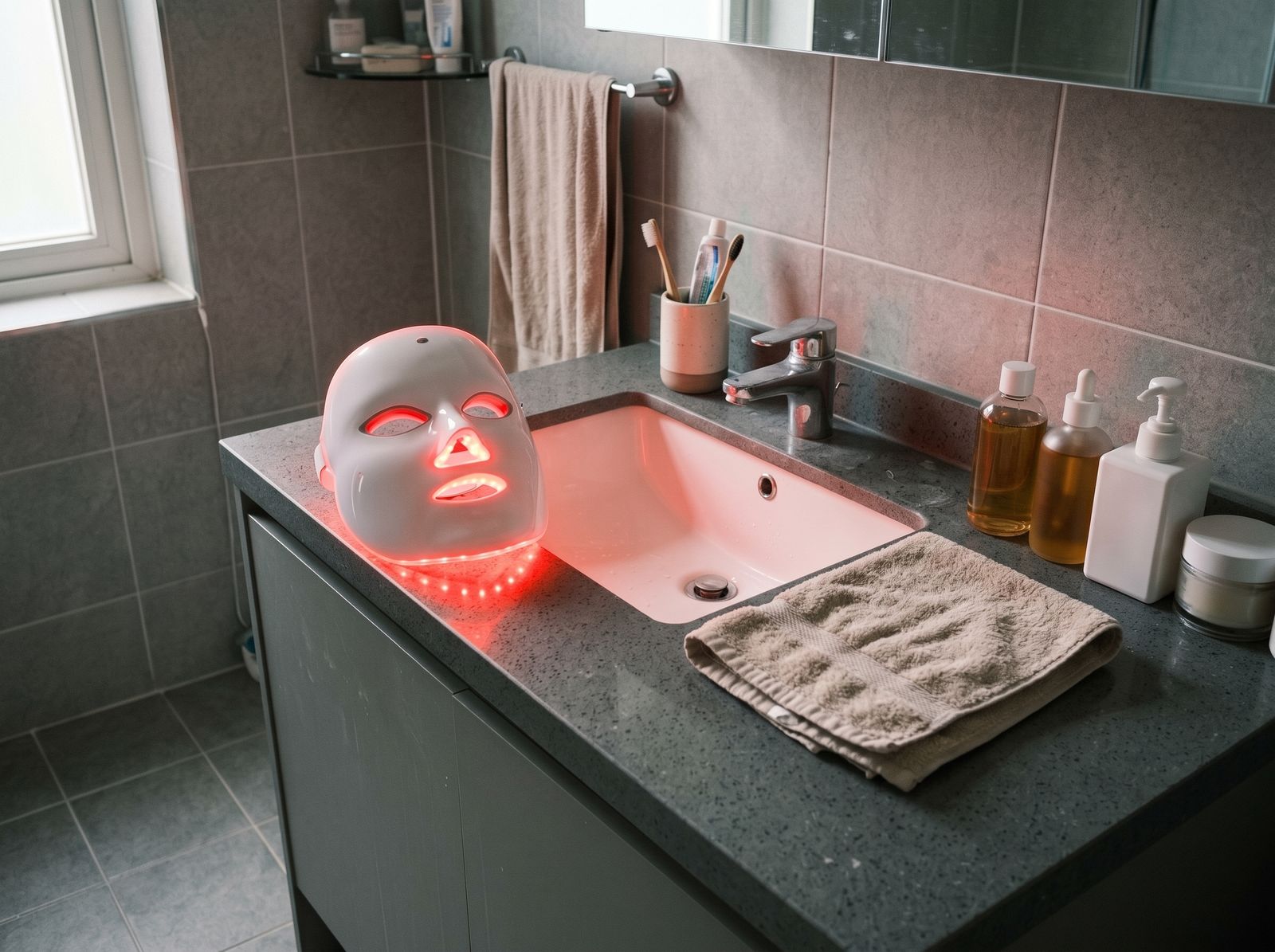
LED face masks and whole-body PBM: is the same red light the same dose?
A red light mask and a whole-body PBM bed can use the same 660nm light yet deliver very different doses. How to compare them in J/cm², what research shows, and eye safety.
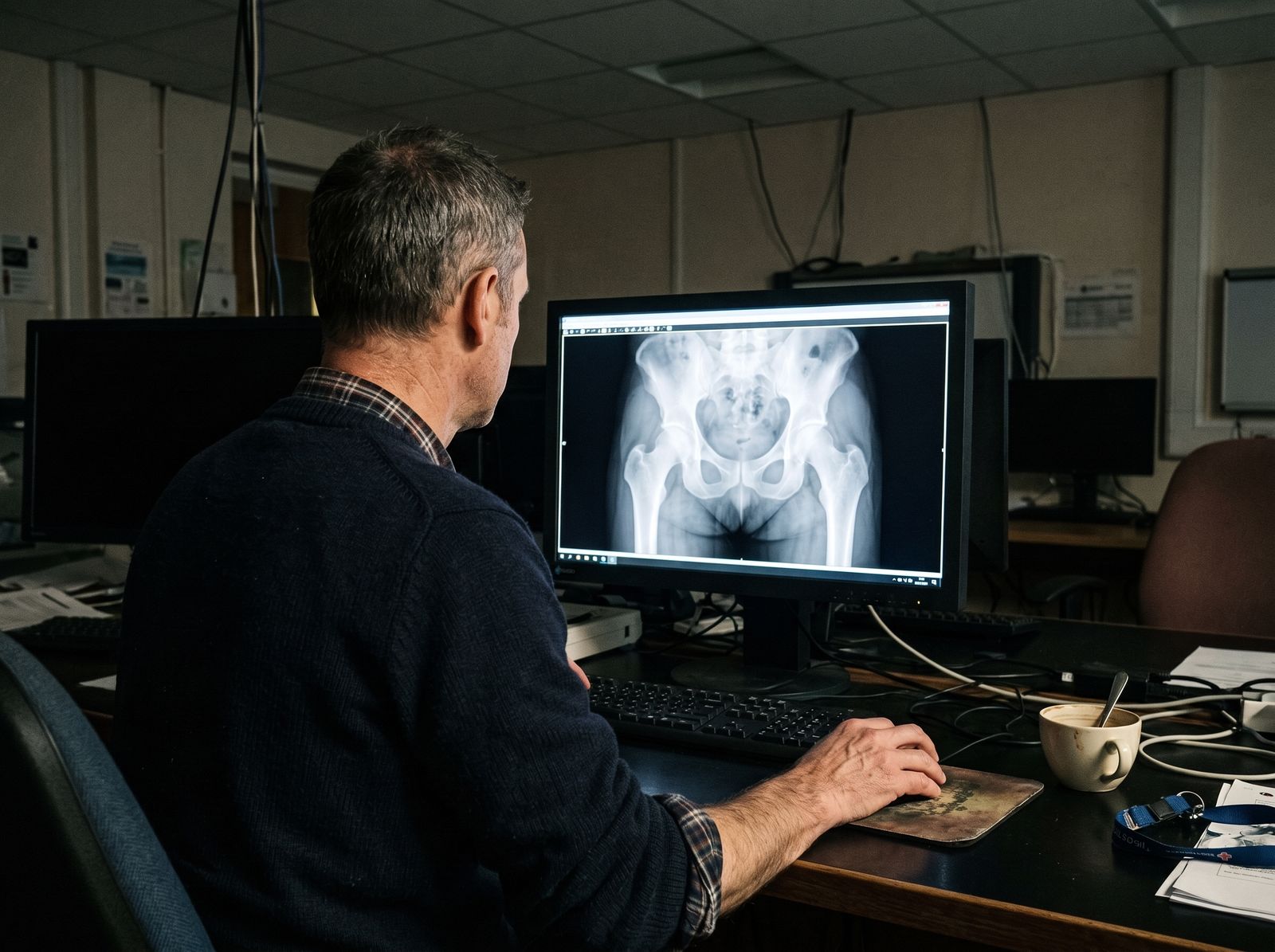
Why ageing bone marrow turns to fat, and a PEMF study in mice
With age, marrow stem cells lean toward fat instead of bone. What a 2025 Nature Communications PEMF study found in old mice, and what it cannot tell us about people.
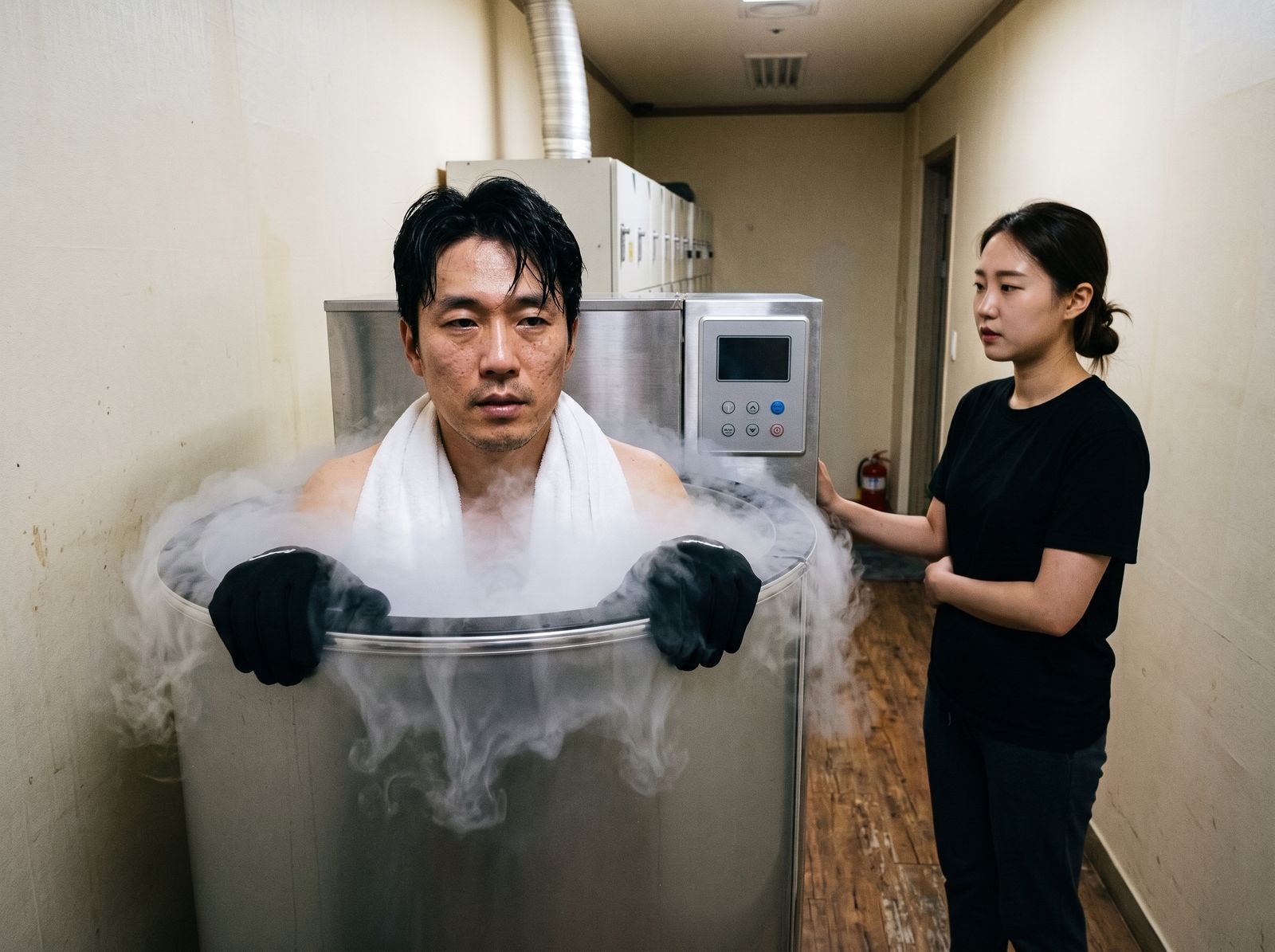
Whole-body cryotherapy: the evidence and the safety questions
Whole-body cryotherapy exposes you to air colder than minus 100°C for minutes. The Cochrane evidence, nitrogen versus cooled-air chambers, real incidents, the FDA view, and who should avoid it.
The glymphatic system: where the brain’s waste goes while we sleep
The glymphatic system is a proposed route for cerebrospinal fluid to clear brain waste. Its link to sleep, the lymphatic exits, and what is still disputed.

Ultra-processed food and the gut microbiome: what the research shows, and what it doesn’t
Ultra-processed foods are NOVA group 4. How to spot them, and what research does and does not show about the gut microbiome and health, with sources.
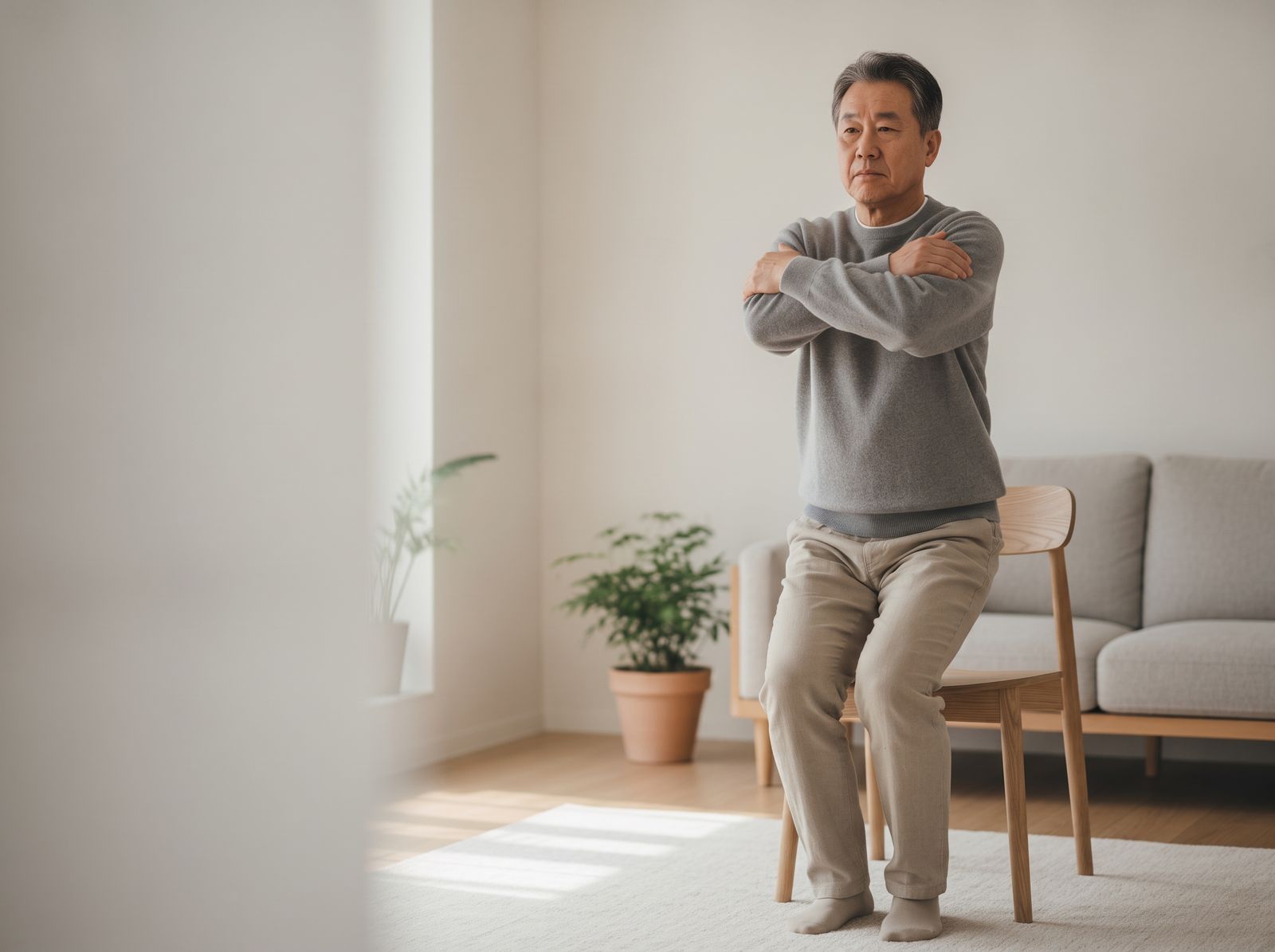
Sarcopenia: what to measure, and what to do, when muscle and strength decline
Sarcopenia is a muscle disease of falling strength and mass. EWGSOP2 and AWGS 2019 criteria, the tests, and the evidence for resistance exercise and protein.
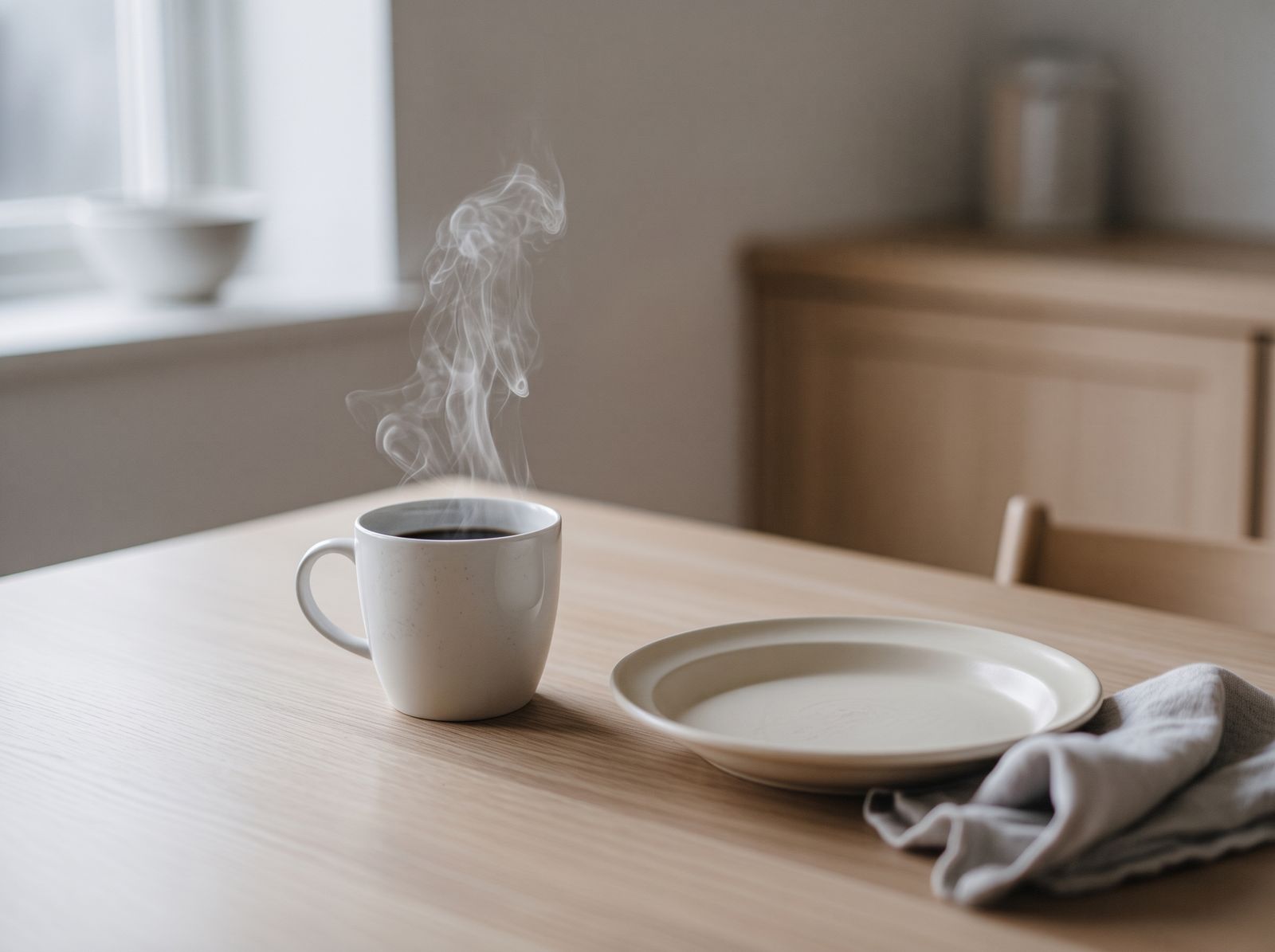
Coffee on an empty stomach after a broken night: what a study found about blood sugar
How strong coffee before breakfast after a broken night changed the glucose response in a trial, plus caffeine’s effects on the gut, vessels and sleep.
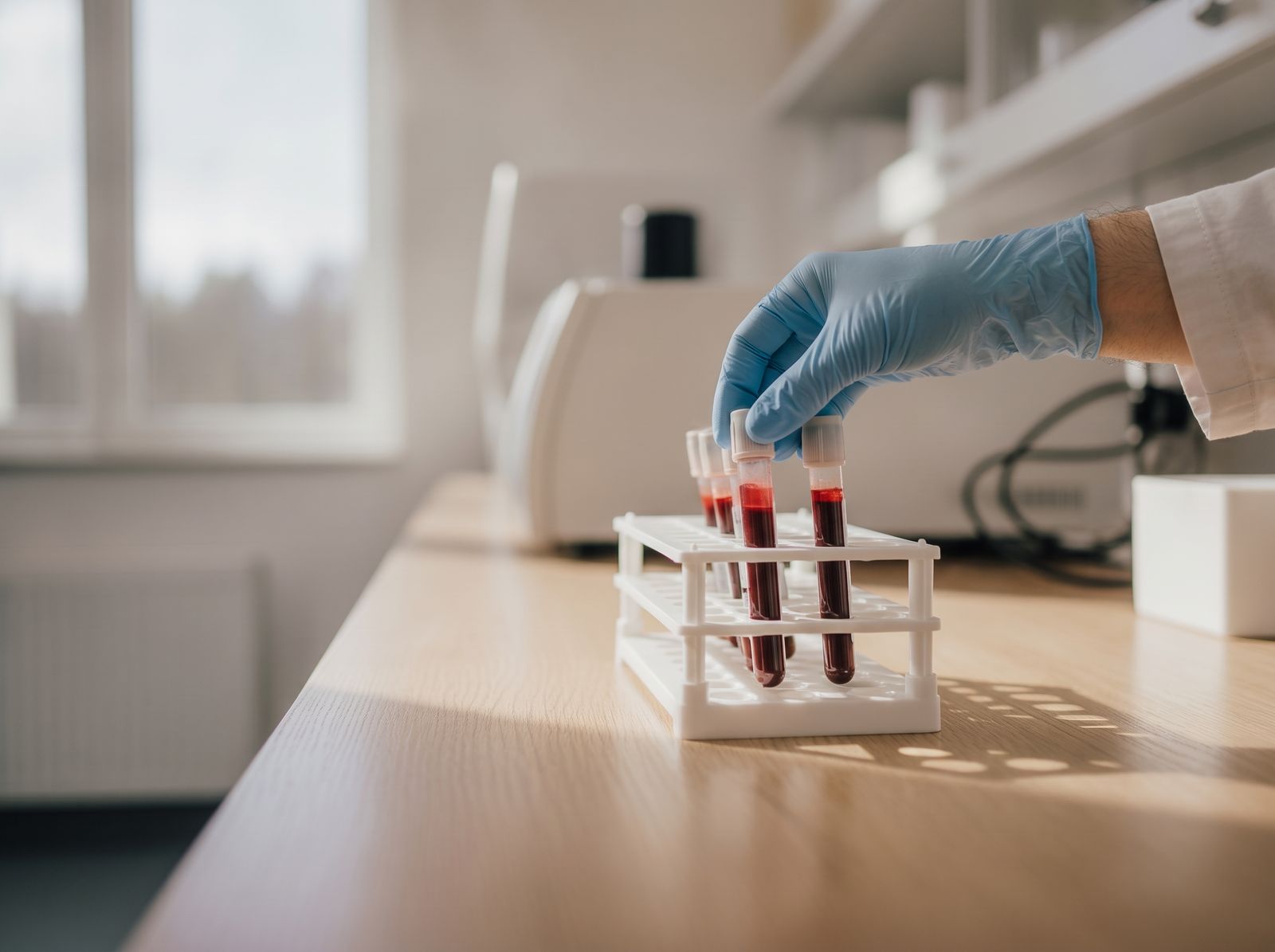
Chronic inflammation: a low fire that doesn’t go out
How chronic inflammation differs from acute inflammation, what a CRP test can and cannot show, and what research says about causes and disease links.
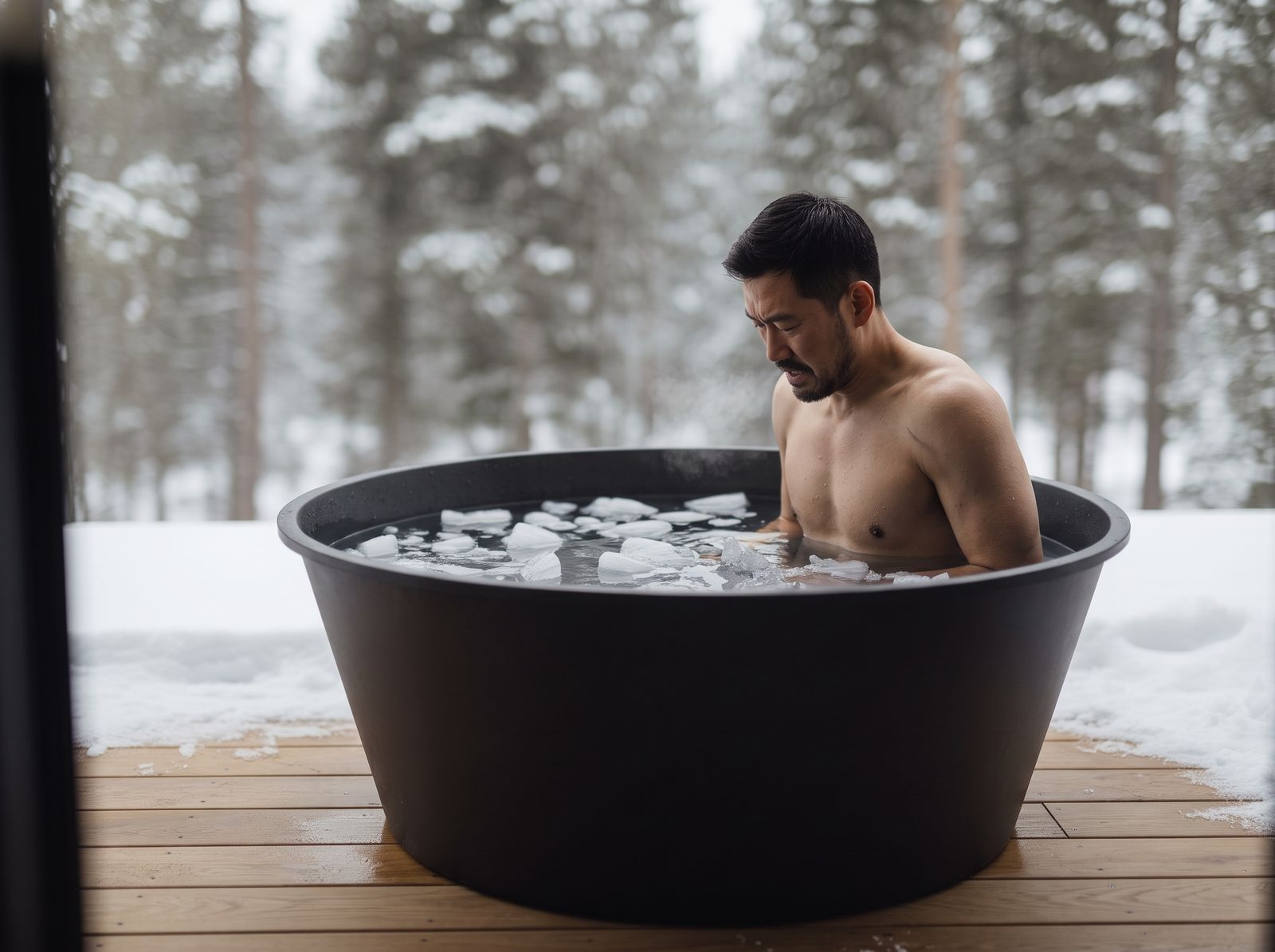
Cold plunges and recovery: what happens when you step into cold water
Cold plunges can ease soreness after hard exercise but blunted gains after lifting in one study. The cold shock response, evidence and who should avoid it.
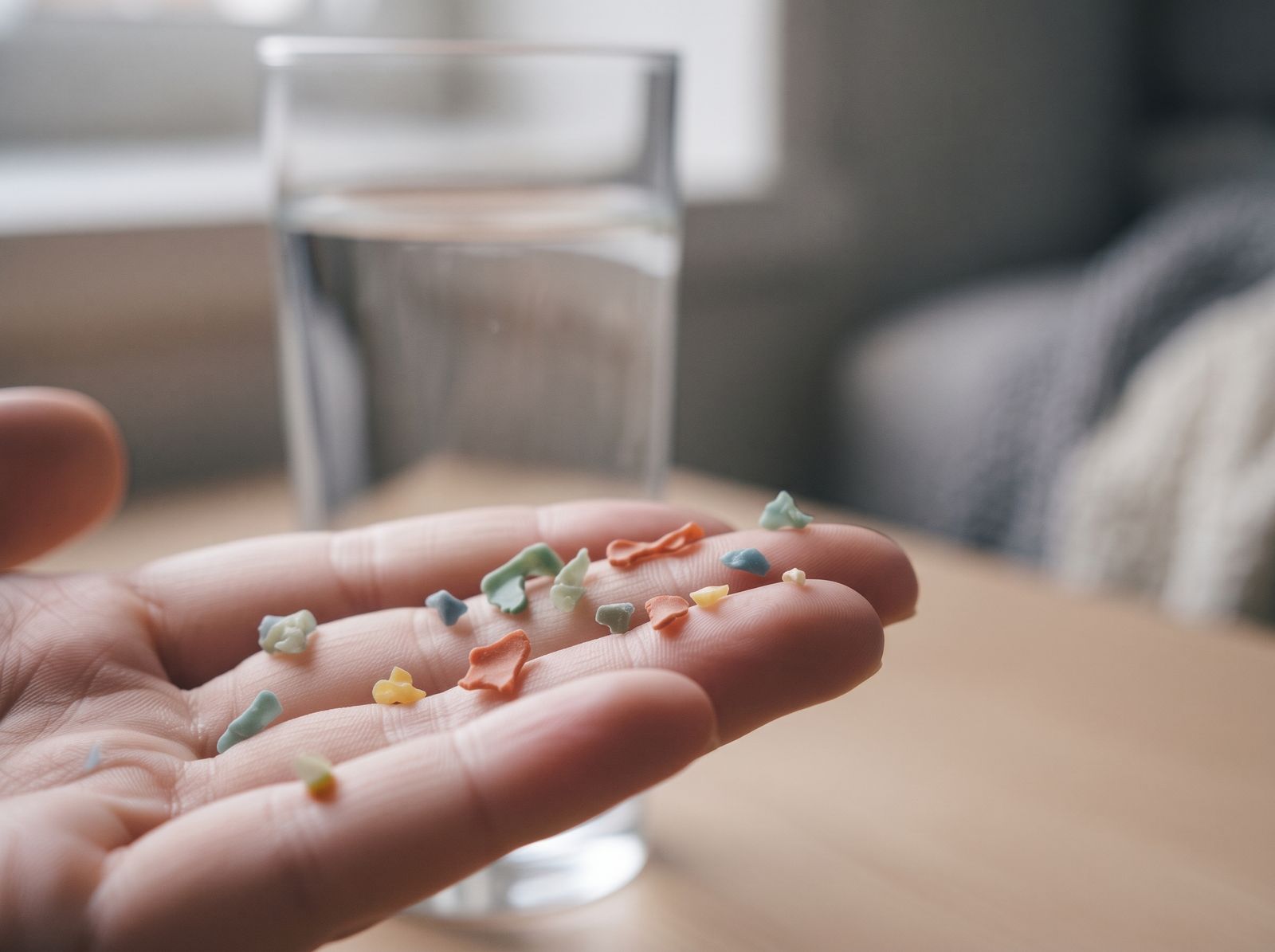
Microplastics in the body: where they’ve been found, and what we still don’t know
Microplastics have been found in human blood, placenta, artery plaque and brain. What is established, what isn’t, what WHO says, and ways to cut exposure.
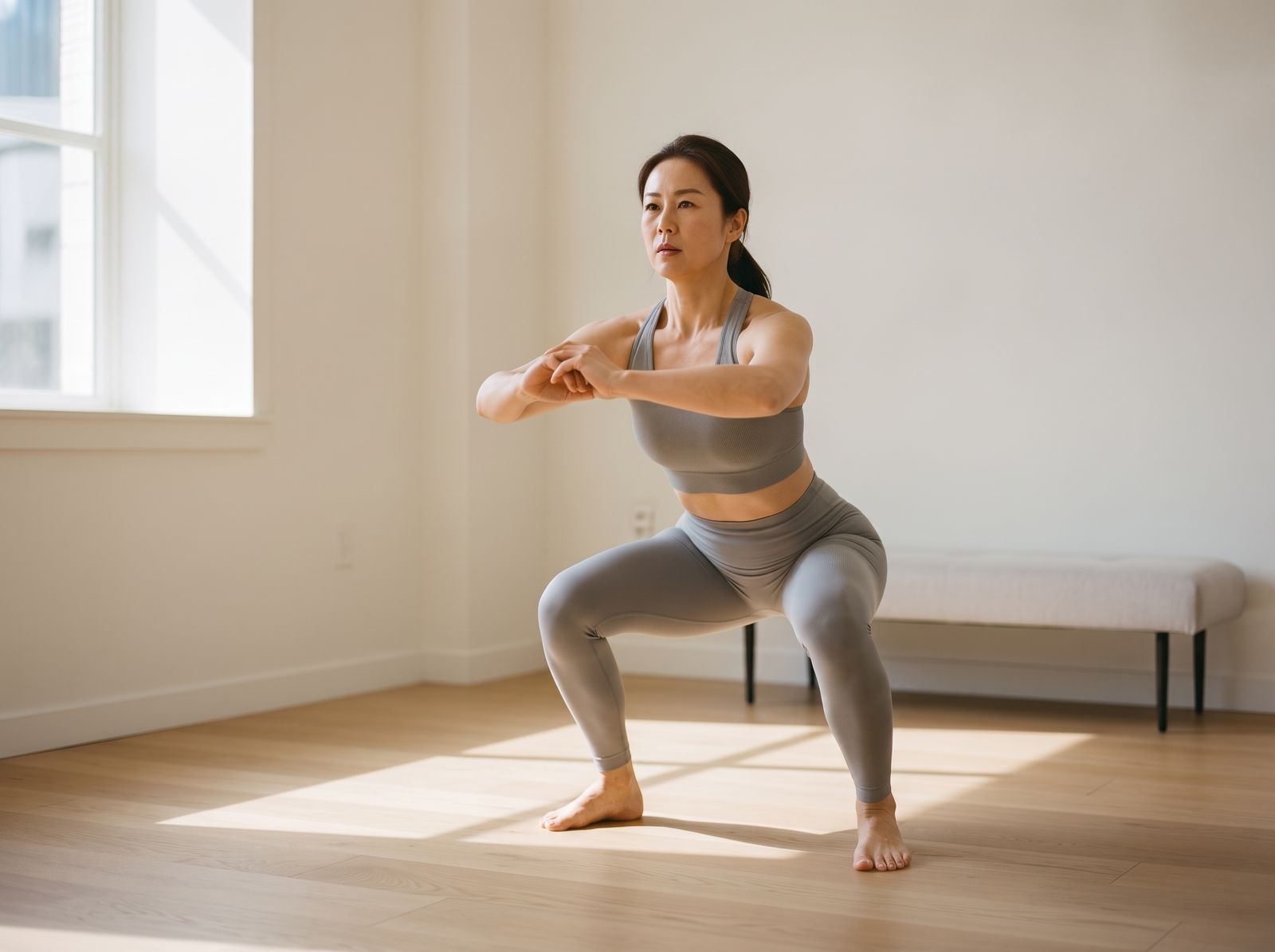
Myokines: the signals working muscle sends to the body
Myokines are molecules muscle releases to signal other organs. Muscle as an endocrine organ, IL-6, the irisin controversy, and what is still unknown.
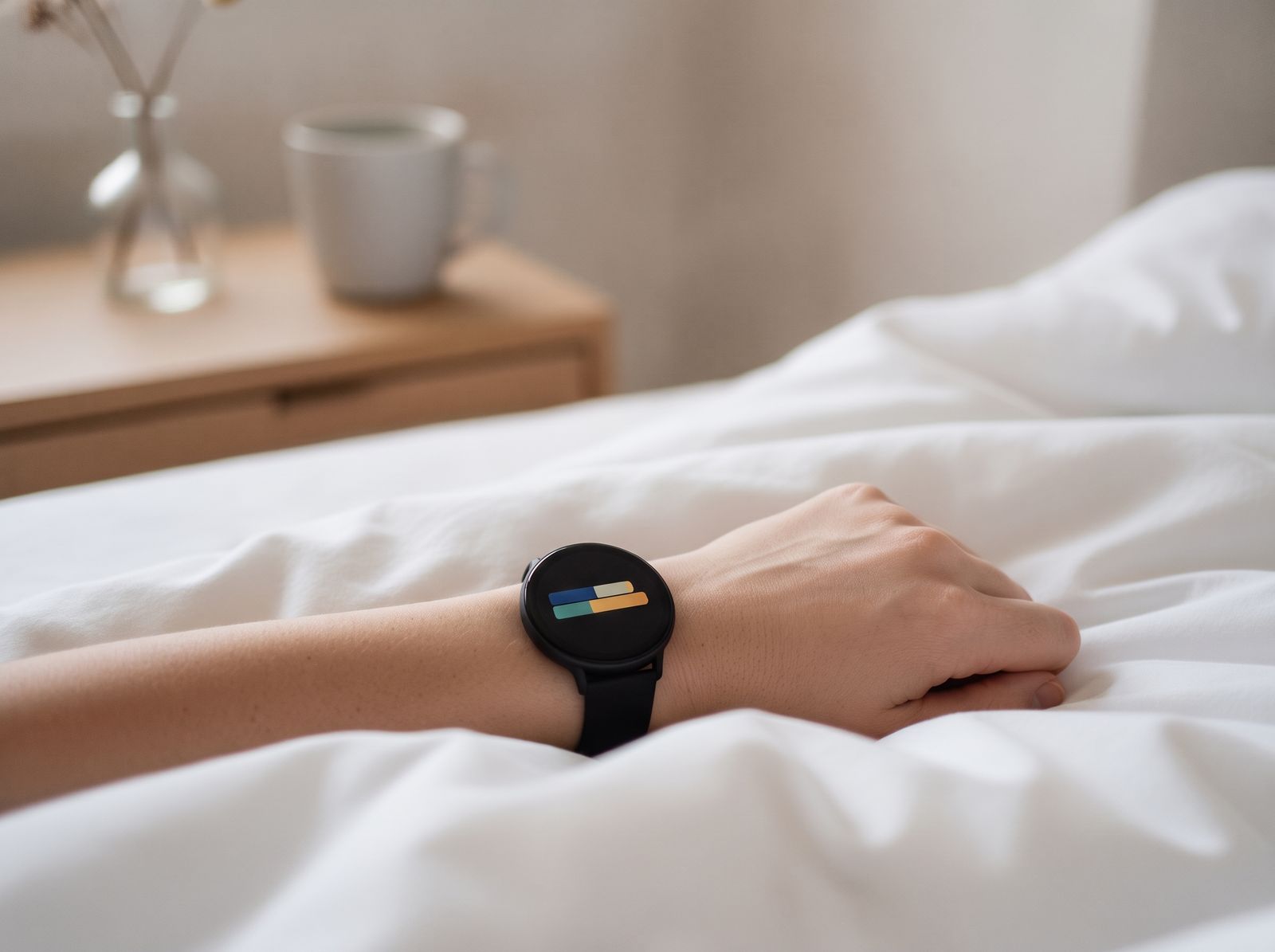
How closely should you watch your health data? Wearables and orthosomnia
Sleep scores and heart-rate alerts can create the worry they were meant to ease. What orthosomnia is, what wearables measure well and poorly, and staying calm.
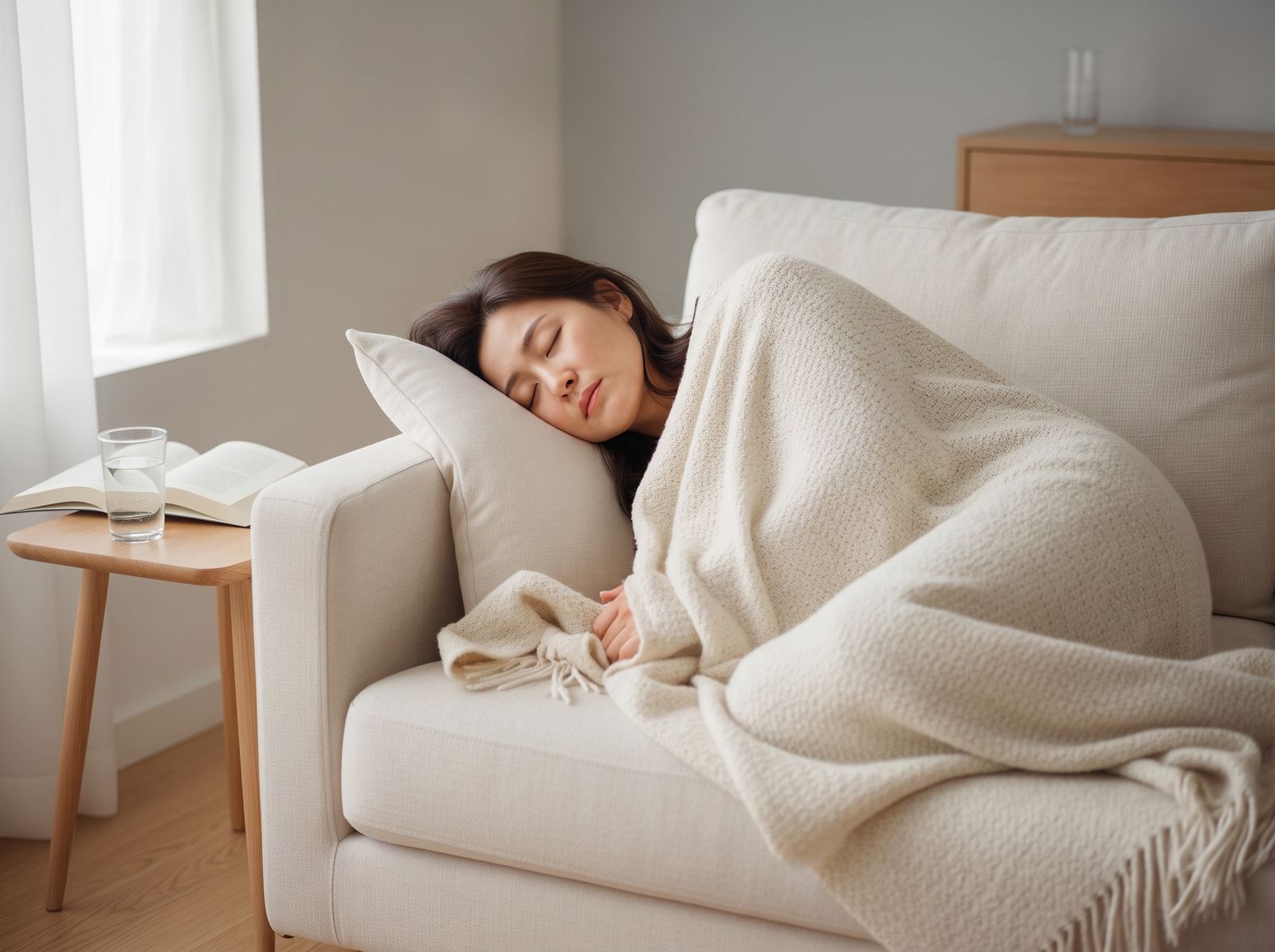
ME/CFS: what research says about fatigue that rest doesn’t fix
ME/CFS means fatigue rest doesn’t relieve and post-exertional malaise. The 2015 criteria, NIH and 2025 Nature Medicine studies, and NICE guidance.
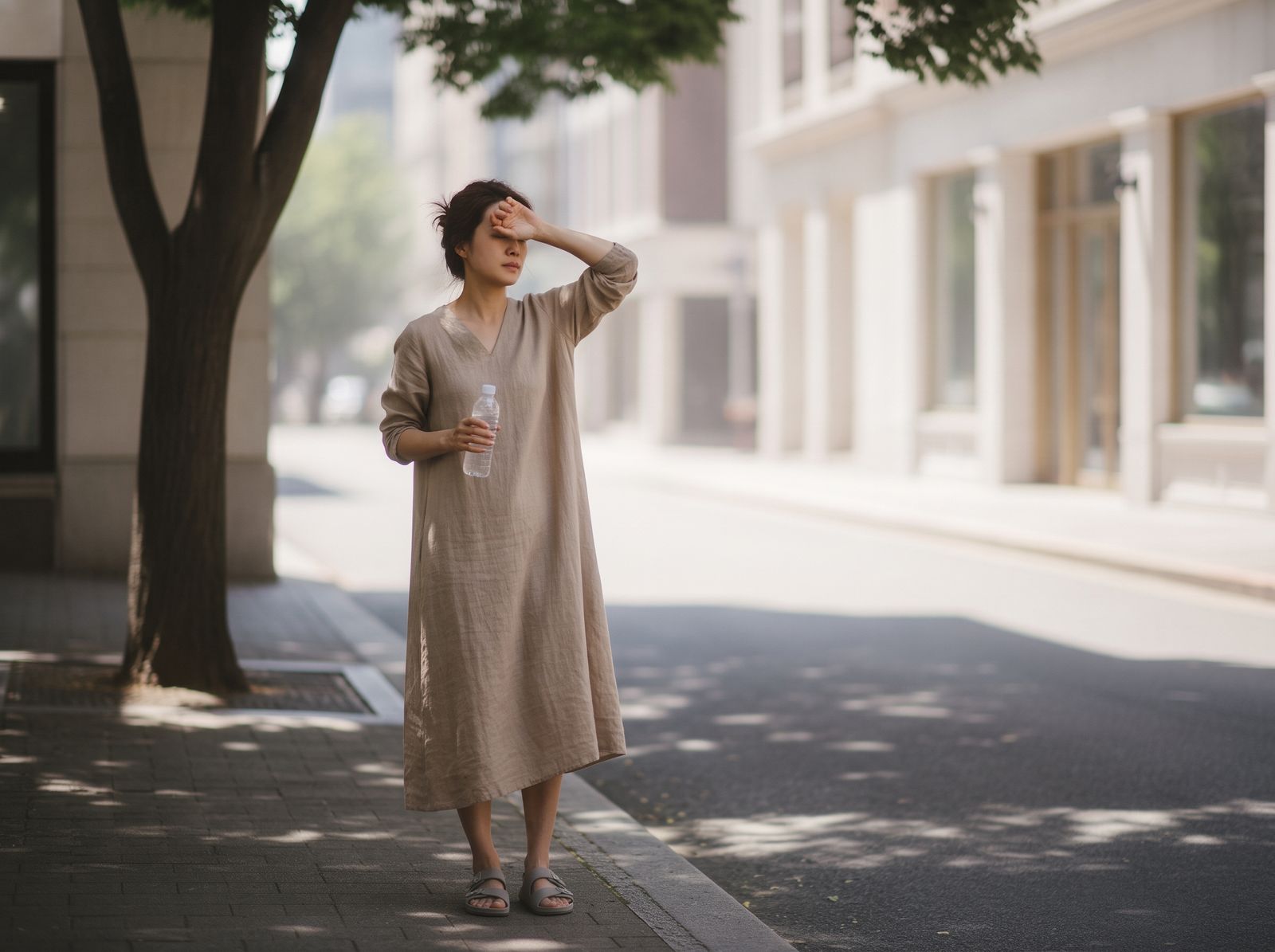
Why heat wears us out, and the warning signs to know
Heat tires us because the body works to stay cool. How cooling, dehydration and hot nights drain energy, and the heat illness signs WHO and the CDC list.

Ageing parents: the changes families notice first
Changes families can notice in an ageing parent’s walking, hearing, vision, weight, memory, mood and medicines, from CDC, WHO and KDCA guidance.
How we write
- Articles are written by the BAHIOLOGY editorial team. BAHIOLOGY Inc. is a wellness technology company working on PBM, hyperbaric oxygen, hydrogen inhalation and Wave Motion; its devices are built with its investor, Hue Light Co., Ltd. Our technology explainers include an introduction to our own technology; other articles do not mention our products.
- We source journal papers (via PubMed and similar) and public bodies such as the WHO, the US CDC and the Korea Disease Control and Prevention Agency. Each article lists only sources we opened and checked ourselves.
- Figures and findings are reported as the source states them. We leave out figures we cannot verify, and we separate what is known from what is not yet.
- We do not write that anything cures a disease, and we do not promise effects.
- Some photographs are AI-generated, and each shows only what its article describes.
- If you find an error, write to biz@bahiology.com. We check it, correct it and show the date of the change.