In short
- PEMF (pulsed electromagnetic fields) applies a magnetic field switched on and off in short pulses, inducing a very weak current inside tissue.
- It began with research on fractures that would not heal even after surgery (non-unions); in 1979 the U.S. FDA approved PEMF devices as bone growth stimulators.
- Whole-body vibration (WBV) is exercise on a vibrating platform that makes muscles contract by reflex.
- Both are still being studied. People with implanted electronic devices such as pacemakers, and anyone pregnant, should talk to a doctor first.
When a magnetic field meets the body
A changing magnetic field creates a current in any conductor inside it. This is Faraday’s law of induction. Body tissue is full of water with dissolved ions, which makes it a weak conductor, so switching a magnetic field on and off in pulses produces a very weak current inside muscle and bone. PEMF can deliver an electrical stimulus deep into tissue without electrodes on the skin.
There are hypotheses that this tiny current alters signals in cells (calcium signalling, growth factors, nitric oxide), but no single agreed explanation yet. Transcranial magnetic stimulation (TMS), used to treat depression, works on the same principle but is a separate medical technology that uses much stronger fields to excite nerves in the brain directly.
Research that began with bone
PEMF research took off in the 1970s, when C. Andrew L. Bassett’s team at Columbia University applied pulsed electromagnetic fields to fractures that had failed to unite even after surgery. In 1979 the U.S. FDA approved PEMF bone growth stimulators for these non-unions.
A 2011 Cochrane review pooling the later studies concluded that electromagnetic stimulation may help delayed-union and non-union fractures, but that there were too few studies, of too uneven quality, for a definitive conclusion. Research on pain, joints and wound healing continues, and the picture there is similar.
Whole-body vibration
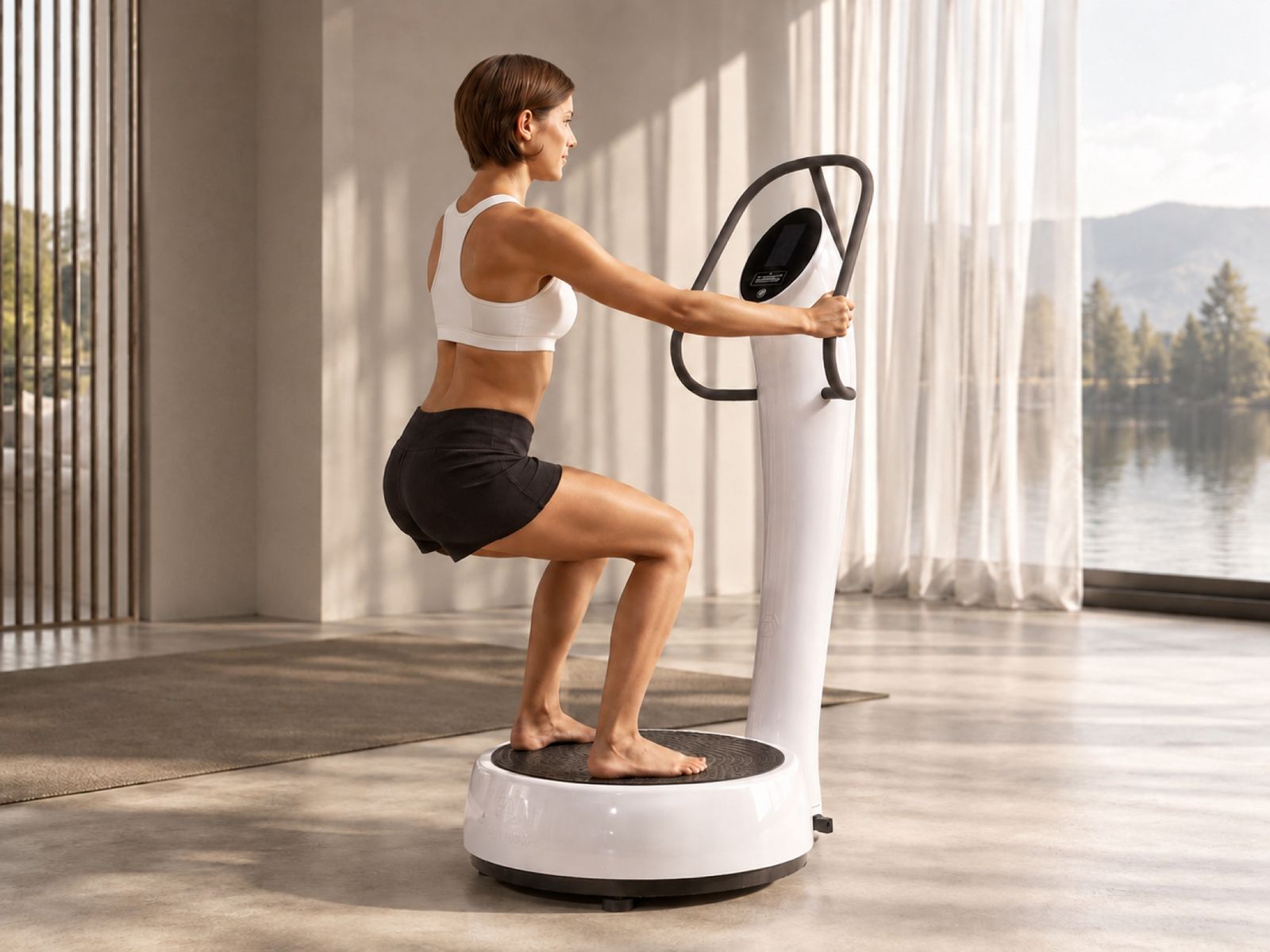
Whole-body vibration (WBV) is exercise standing or holding positions on a vibrating platform. When vibration stretches and releases a muscle very quickly, the muscle contracts by reflex (the tonic vibration reflex), so it keeps working without a deliberate effort.
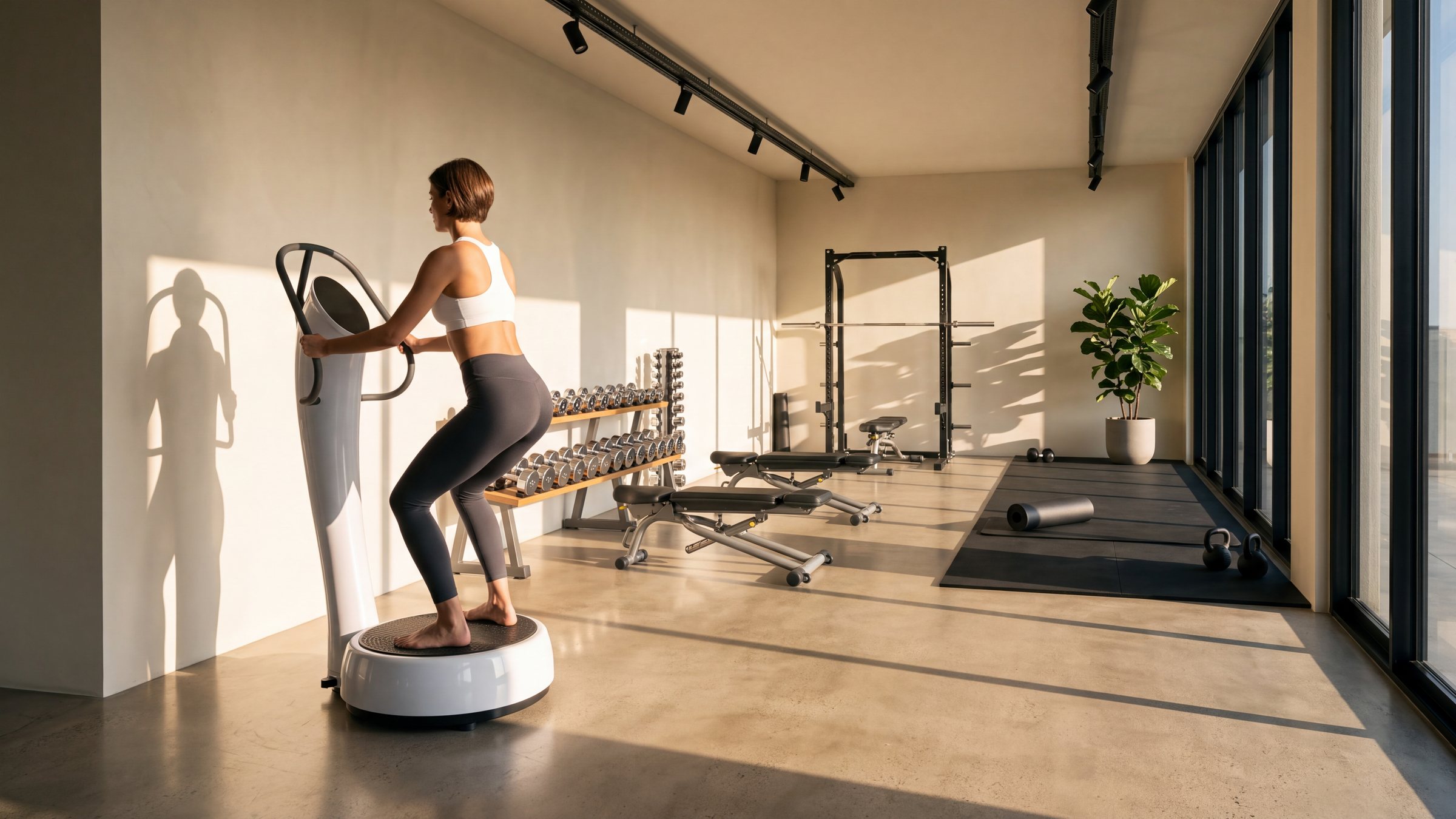
The strength of the stimulus is set by how many times it shakes per second (frequency, Hz) and how far (amplitude, mm). Studies have looked at strength, balance, bone density and circulation, and report promise as an aid to exercise. Results vary a great deal with the people studied and the protocol, though, and it is hard to regard it as a replacement for ordinary exercise.
What to check before use
- If you have an implanted electronic device such as a pacemaker, implantable defibrillator or cochlear implant, always talk to a doctor before using PEMF.
- If you are pregnant, talk to a doctor before using either.
- If you have had recent surgery, a fracture or a blood clot, check with a doctor before vibration exercise.
- On a vibration platform, keep your knees slightly bent to reduce the vibration that travels to your head.
BAHIOLOGY and Wave Motion
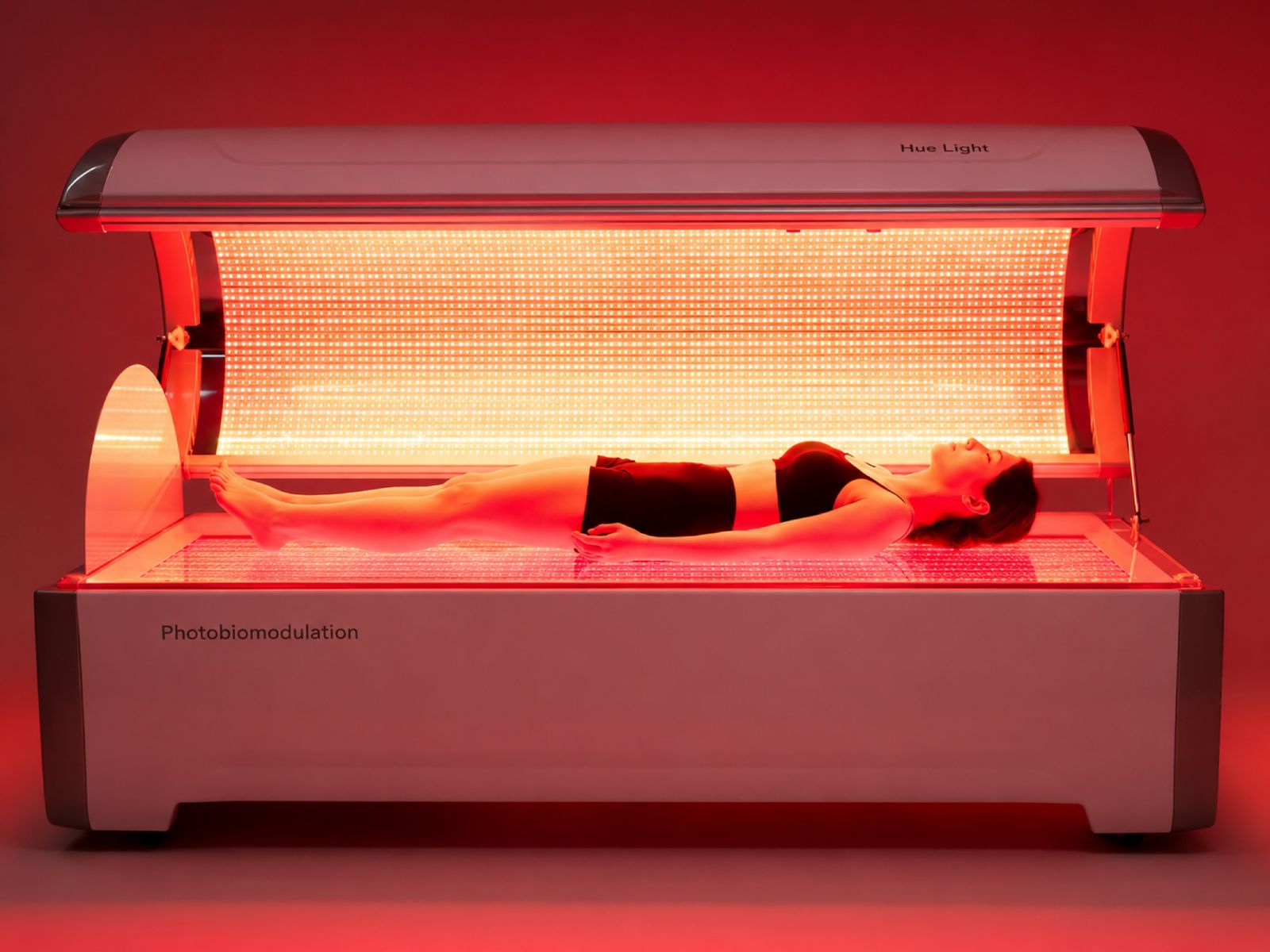
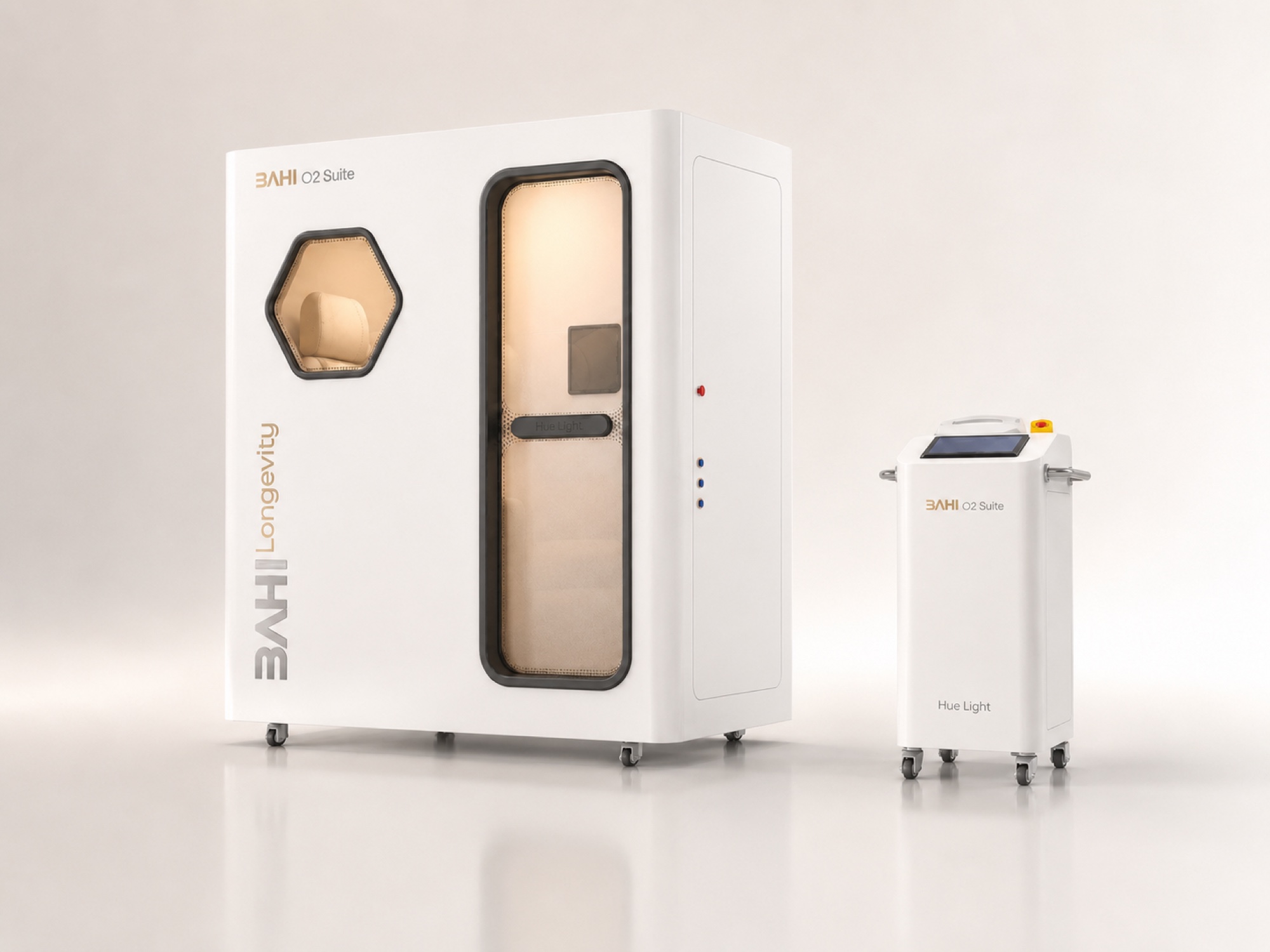
BAHIOLOGY’s Wave Motion delivers PEMF with adjustable frequency and intensity, together with low-frequency waves and vibration, in stages; BAHIOLOGY researches and develops it, built together with its investor and manufacturing partner Hue Light Co., Ltd. The device is introduced on our technologies page. This article explains the principle and the state of the research; it promises no particular effect.
Questions
Isn’t PEMF electromagnetic radiation that harms the body?
PEMF is a low-frequency magnetic field, unlike ionising radiation such as X-rays. It can, however, interfere with implanted electronic devices, so people who have one should talk to a doctor first.
Can vibration exercise replace strength training?
Research mostly treats whole-body vibration as an aid to exercise. There is little evidence that it replaces ordinary strength or aerobic training.
Are PEMF and whole-body vibration the same thing?
No. PEMF induces a tiny current in tissue through a magnetic field; whole-body vibration triggers reflex muscle contractions through mechanical shaking. The stimulus and the route into the body differ.
Sources
- Bassett CAL, Pilla AA, Pawluk RJ. A non-operative salvage of surgically-resistant pseudarthroses and non-unions by pulsing electromagnetic fields. Clin Orthop Relat Res. 1977
- Griffin XL, et al. Electromagnetic field stimulation for treating delayed union or non-union of long bone fractures in adults. Cochrane Database Syst Rev. 2011
- Markov MS. Pulsed electromagnetic field therapy history, state of the art and future. Environmentalist. 2007
- Rittweger J. Vibration as an exercise modality: how it may work, and what its potential might be. Eur J Appl Physiol. 2010
Want to know more?
If you’d like to try BAHI Longevity or talk to us, leave your details and we’ll be in touch.