In short
- Molecular hydrogen (H₂) is the smallest molecule; it passes easily through cell membranes and spreads throughout the body.
- Research took off in 2007, when a Japanese team reported that hydrogen selectively reduces the most reactive oxygen radical, the hydroxyl radical.
- There are human studies, but most are small, and an effect on everyday condition has not been established.
- Hydrogen can ignite in air at concentrations of about 4% and above, so equipment and surroundings need care.
Why hydrogen
The turning point was a 2007 paper in Nature Medicine by Ikuroh Ohsawa’s team. In rats whose brain blood vessels were blocked and then reopened to cause injury, those that breathed 2% hydrogen gas showed less brain damage.
What drew attention was selectivity. In cell experiments, hydrogen reduced the most aggressive oxygen species, the hydroxyl radical and peroxynitrite, while leaving alone hydrogen peroxide and nitric oxide, which the body uses for signalling. The hypothesis was not that hydrogen clears oxidants wholesale, but that it picks out the harmful ones.
Hundreds of studies followed, proposing further routes beyond directly reducing radicals, such as adjusting inflammatory signals and gene expression. Exactly how hydrogen acts has still not been fully worked out.
Breathing hydrogen, drinking hydrogen
There are two main ways to take hydrogen in. Inhalation means breathing hydrogen gas through the nose or mouth; it passes through the lungs into the bloodstream quickly and keeps arriving as long as you breathe it. Hydrogen water means drinking hydrogen dissolved in water. But at room temperature and normal pressure, only about 1.6 mg dissolves per litre, and what you drink leaves on the breath soon after.
The two differ in how much reaches the body and for how long. Yet studies comparing them directly under the same conditions are almost non-existent.
Studies in people
One sizeable trial is Japan’s HYBRID II. From 2017 to 2021, at 15 hospitals, patients who remained unconscious after an out-of-hospital cardiac arrest were randomly assigned, double-blind, to standard intensive care plus 2% hydrogen inhalation or to placebo. Hydrogen inhalation could be given safely, and more patients recovered without neurological after-effects at 90 days. The authors noted that larger studies are needed to confirm it.
Other studies have looked at metabolic markers, fatigue after exercise and inflammatory markers, but most involve a few dozen people and the results are mixed. It is fair to say that hydrogen inhalation for everyday fatigue or condition has not been established.
Using it safely
Studies so far have reported almost no side effects from hydrogen itself. The main risk lies not in the body but in the surroundings.
- Hydrogen can ignite in air at roughly 4 to 75%. Keep cigarettes, candles, gas hobs and other flames away while in use.
- Devices that split water often release hydrogen and oxygen together, so take extra care with flames.
- Use the device somewhere ventilated, at the concentration and flow it was designed for.
- If you are being treated for a condition, talk to your doctor before use, and do not let hydrogen inhalation stand in for treatment.
BAHIOLOGY and hydrogen inhalation
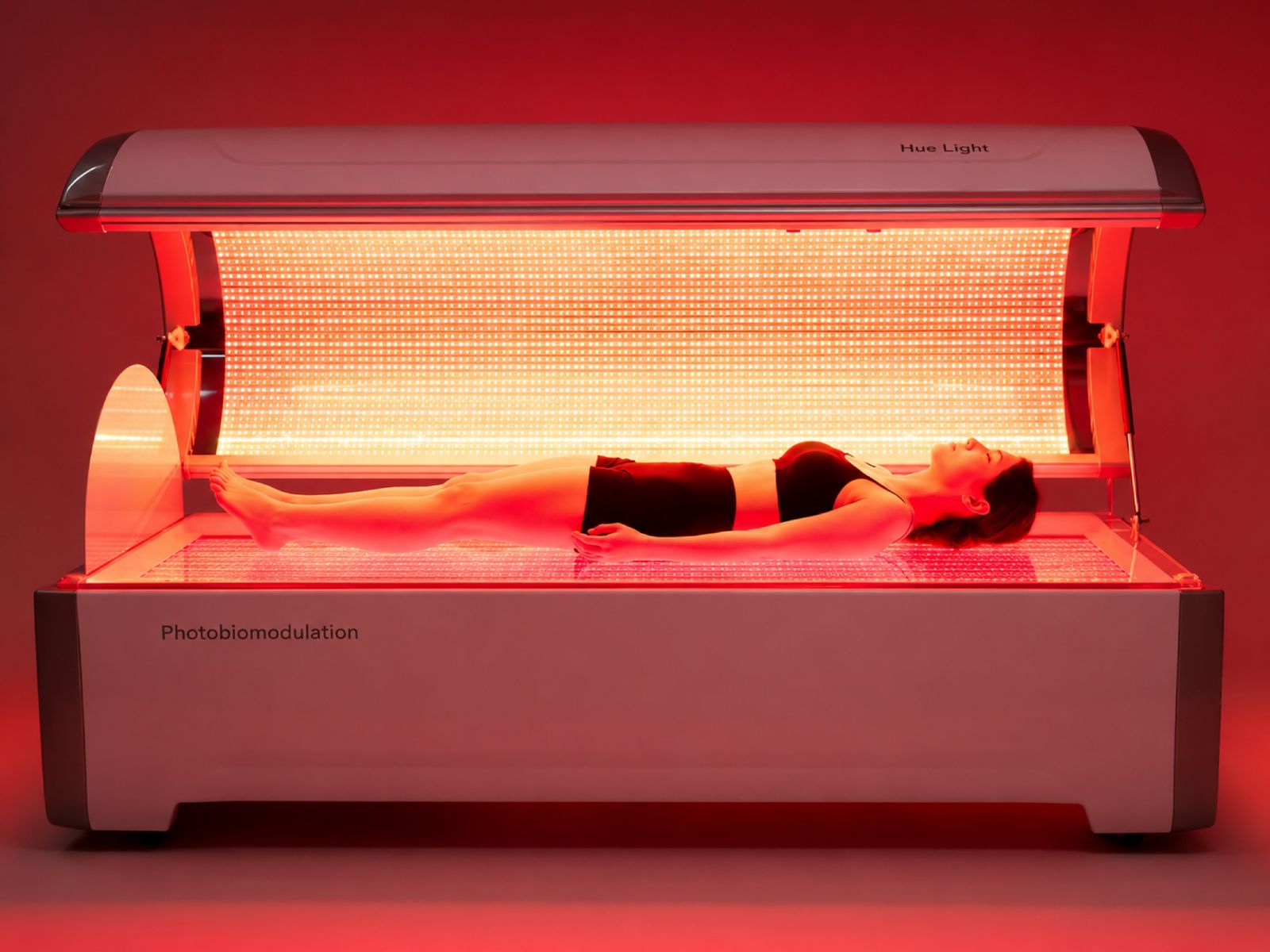
BAHIOLOGY researches and develops inhalation devices that supply medical-grade hydrogen gas at a precise concentration, built together with its investor and manufacturing partner Hue Light Co., Ltd. The device is introduced on our technologies page. This article explains the principle and the state of the research; it promises no particular effect.

Questions
Which is better, hydrogen inhalation or hydrogen water?
There are almost no head-to-head studies under the same conditions, so no one can say. Inhalation supplies hydrogen steadily while you breathe; hydrogen water holds little and leaves the body quickly.
Isn’t breathing hydrogen dangerous?
Studies have reported almost no side effects from hydrogen itself. The main risk is flammability, so keep flames away and use the device as instructed.
Does hydrogen remove all the free radicals in the body?
No. What the research highlighted was selectivity: reducing only the most aggressive species. Some reactive oxygen species are needed for signalling, so removing them all would not be desirable.
Sources
- Ohsawa I, et al. Hydrogen acts as a therapeutic antioxidant by selectively reducing cytotoxic oxygen radicals. Nat Med. 2007
- Ichihara M, et al. Beneficial biological effects and the underlying mechanisms of molecular hydrogen: comprehensive review of 321 original articles. Med Gas Res. 2015
- Tamura T, et al. Efficacy of inhaled hydrogen on neurological outcome following brain ischaemia during post-cardiac arrest care (HYBRID II). eClinicalMedicine. 2023
Want to know more?
If you’d like to try BAHI Longevity or talk to us, leave your details and we’ll be in touch.