In short
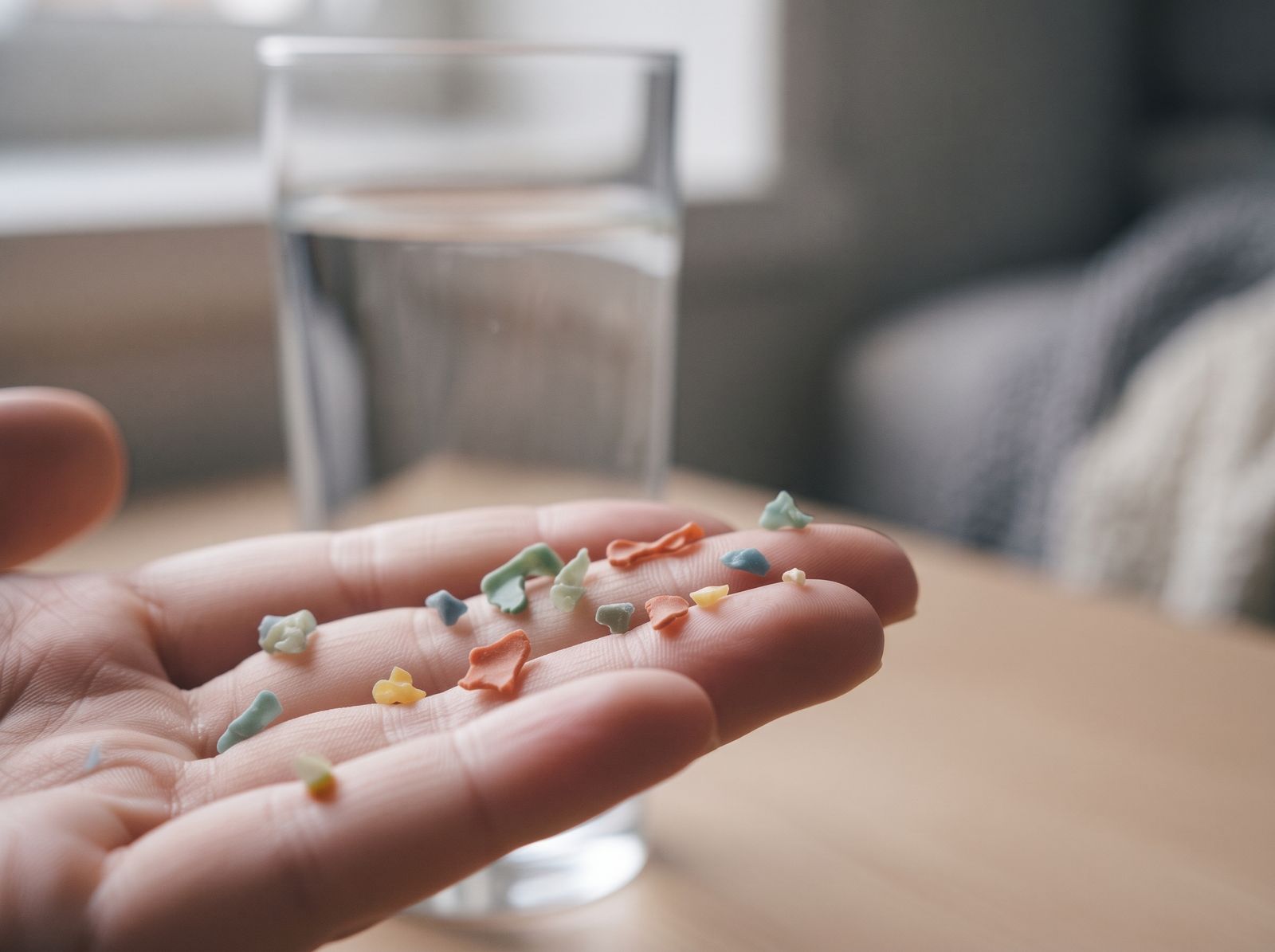
- Microplastics are plastic particles smaller than 5 mm; far smaller, nano-sized particles are called nanoplastics.
- Plastic particles have been detected in human blood, placenta, carotid artery plaque, and in liver, kidney and brain tissue from people who had died.
- In a 2024 NEJM study, patients with micro- and nanoplastics in their artery plaque had a higher risk of heart attack, stroke or death, but the authors stated plainly that this does not prove cause.
- In 2019, WHO said microplastics in drinking water did not appear to pose a health risk at current levels, while stressing that the information is limited and more research is needed.
Microplastics and nanoplastics
Microplastics are usually defined as plastic particles smaller than 5 mm. They form as bottles, packaging, textiles, tyres and other plastic items break down and wear away. Particles far smaller still, at the nanometre scale and hard to see with an ordinary microscope, are called nanoplastics. The smaller the particle, the more easily it is thought to enter the body, and the harder it is to measure.
In its 2019 analysis of microplastics in drinking water, WHO judged that particles larger than 150 micrometres are unlikely to be absorbed, and that uptake of smaller ones is expected to be limited. Absorption and distribution of very small, nano-sized particles may be higher, it noted, but the data are extremely limited.
Where they’ve been found in the body
- Placenta: in 2021, an Italian team examined six placentas from healthy pregnancies and found 12 microplastic fragments, 5 to 10 micrometres in size, in four of them: on the fetal side, the maternal side and in the membranes.
- Blood: in 2022, a Dutch team measured plastic particles of 700 nanometres or larger in the blood of 22 healthy adults. PET, polyethylene and styrene-based polymers were most common, and the mean measured concentration was 1.6 micrograms per millilitre.
- Organs: a US study published in Nature Medicine in 2025 found particles, mostly polyethylene, in liver, kidney and brain tissue from deceased people. In the brain they were largely nanoscale, shard-like fragments, and liver and brain samples from 2024 held more than those from 2016.
The same study measured larger amounts in the brains of people who had been diagnosed with dementia. On its own, that cannot tell us whether plastic contributed to dementia or whether the disease let more plastic accumulate. See the brain, and the organs that filter and clear substances, the liver and kidneys, in our body atlas.
What the artery plaque study showed
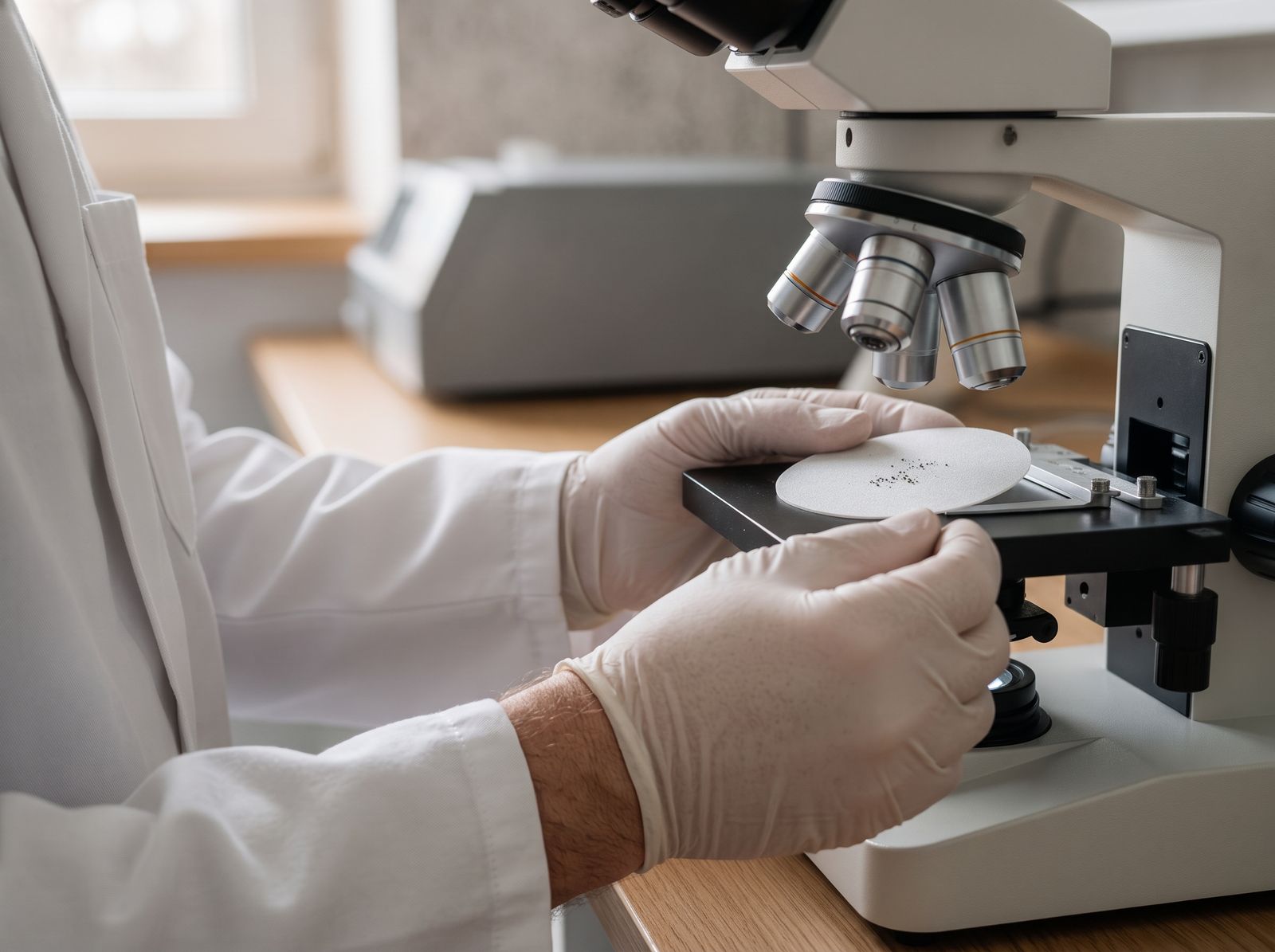
A 2024 Italian study in the New England Journal of Medicine followed 257 patients for an average of about 34 months after surgery (carotid endarterectomy) for carotid artery disease without symptoms. In the plaque removed during surgery, polyethylene was detected in 150 patients (58.4%), and 31 (12.1%) also had polyvinyl chloride (PVC). Under the electron microscope, jagged foreign particles were visible among the immune cells in the plaque.
Patients whose plaque contained micro- and nanoplastics had a 4.53-fold higher risk of a combined outcome of heart attack, stroke or death during follow-up than those whose plaque did not, after adjusting for age, sex, cholesterol, diabetes, high blood pressure and other factors.
But the authors wrote plainly that the results do not prove causality. Unmeasured factors such as other exposures over a lifetime, behaviours and overall health may play a part, and laboratory contamination could not be firmly ruled out. The study is a signal of association, not a finding that plastic causes heart disease. More on the heart, and on chronic inflammation.
What we still don’t know
In 2019, WHO said that “based on the limited information we have, microplastics in drinking water don’t appear to pose a health risk at current levels. But we need to find out more.” It called for, among other things, standard methods for measuring microplastics in water. Research has grown quickly since, but the central questions remain open.
- How much gets in: results vary widely between measurement methods, so there is no reliable figure for real-world human exposure.
- What it does in the body: preclinical (cell and animal) studies suggest a possible cardiovascular risk, but direct evidence that this carries over to people is lacking.
- At what level it becomes harmful: no exposure threshold for health effects has been set.
- Whether the measurements hold: plastic is present in lab equipment and in the air, so keeping samples uncontaminated is itself a challenge.
Reasonable ways to cut exposure
Avoiding plastic entirely isn’t possible, but a few choices cost almost nothing. In 2024, US researchers using a new imaging method counted an average of about 240,000 plastic particles per litre of bottled water, around 90% of them nanoplastics, orders of magnitude more than earlier reports. WHO notes that conventional drinking-water treatment can remove particles smaller than a micrometre.

- Make treated tap water or filtered water your default, and carry it in a reusable bottle.
- Move food into glass or ceramic before heating it rather than heating it in plastic. The size of any benefit hasn’t been measured, but the habit costs nothing.
- Replace plastic containers that are old, scratched or clouded.
- Products or diets claiming to flush microplastics out of the body have not been shown to work in people.
There is currently no need for special tests or treatment because of microplastics. If you have symptoms that worry you, discuss the symptoms themselves with a doctor.
Questions
Does the body get rid of microplastics?
How plastic that enters the body is cleared, and how much, is not yet well understood. Their detection in organs from deceased people suggests some can accumulate.
Is tap water better than bottled water?
One study counted about 240,000 plastic particles per litre of bottled water, and WHO says conventional treatment can remove very fine particles. Treated tap water is a reasonable choice if you want to cut exposure.
Do microplastics cause heart disease?
One study found a higher risk of cardiovascular events in patients with microplastics in their artery plaque, but the authors stated it does not prove cause. It cannot yet be called a cause.
Sources
- Marfella R, et al. Microplastics and Nanoplastics in Atheromas and Cardiovascular Events. N Engl J Med. 2024
- Leslie HA, et al. Discovery and quantification of plastic particle pollution in human blood. Environ Int. 2022
- Ragusa A, et al. Plasticenta: First evidence of microplastics in human placenta. Environ Int. 2021
- Nihart AJ, et al. Bioaccumulation of microplastics in decedent human brains. Nat Med. 2025
- Qian N, et al. Rapid single-particle chemical imaging of nanoplastics by SRS microscopy. Proc Natl Acad Sci U S A. 2024
- World Health Organization. WHO calls for more research into microplastics and a crackdown on plastic pollution (news release on the report Microplastics in drinking-water). 2019
Want to know more?
If you’d like to try BAHI Longevity or talk to us, leave your details and we’ll be in touch.