In short
- In heat, the body widens blood vessels in the skin and sweats to shed heat. WHO notes that the strain of cooling also stresses the heart and kidneys.
- Fluid lost as sweat adds to fatigue if it isn’t replaced. In one experiment, mild dehydration of about 1.4% of body weight worsened mood, concentration, headache and fatigue.
- On hot nights, time awake increases and deep and REM sleep decrease, so the night may not fully undo the day’s fatigue.
- A very high body temperature with confusion or slurred speech may be heat stroke. Call emergency services and start cooling right away.
How the body copes with heat
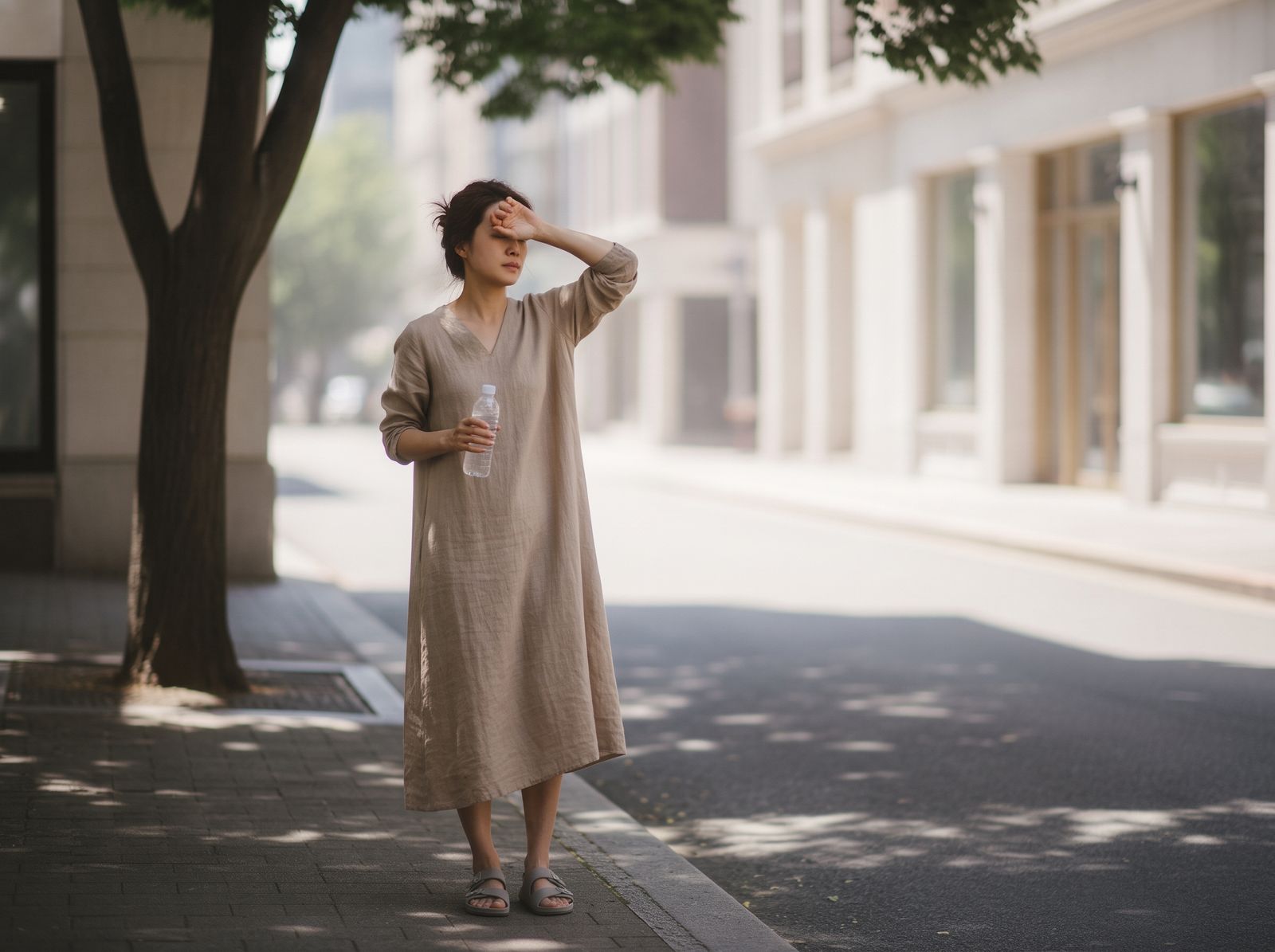
The body keeps its core temperature within a narrow range whatever the weather. Korea’s disease agency (KDCA) describes three responses to heat: widening the blood vessels in the skin to send more blood there, lowering basal metabolism to make less heat internally, and sweating to lose heat through evaporation.
None of this is free. The water and salt lost in sweat have to be replaced, and WHO explains that the strain of cooling stresses the heart and kidneys, and that heat can worsen existing conditions such as cardiovascular disease, diabetes, asthma and mental health problems. The sense of being worn out without having done anything comes from this unseen work. See the heart and the kidneys, which manage water and salt.
A little water loss goes a long way
In a 2012 study, researchers at the University of Connecticut compared 25 healthy young women on days when exercise left them mildly dehydrated with days when they stayed well hydrated. Dehydration averaged about 1.36% of body mass. Even at that level, vigour fell, fatigue rose, tasks felt harder, concentration dropped and headaches increased, although most measures of cognitive performance did not change.
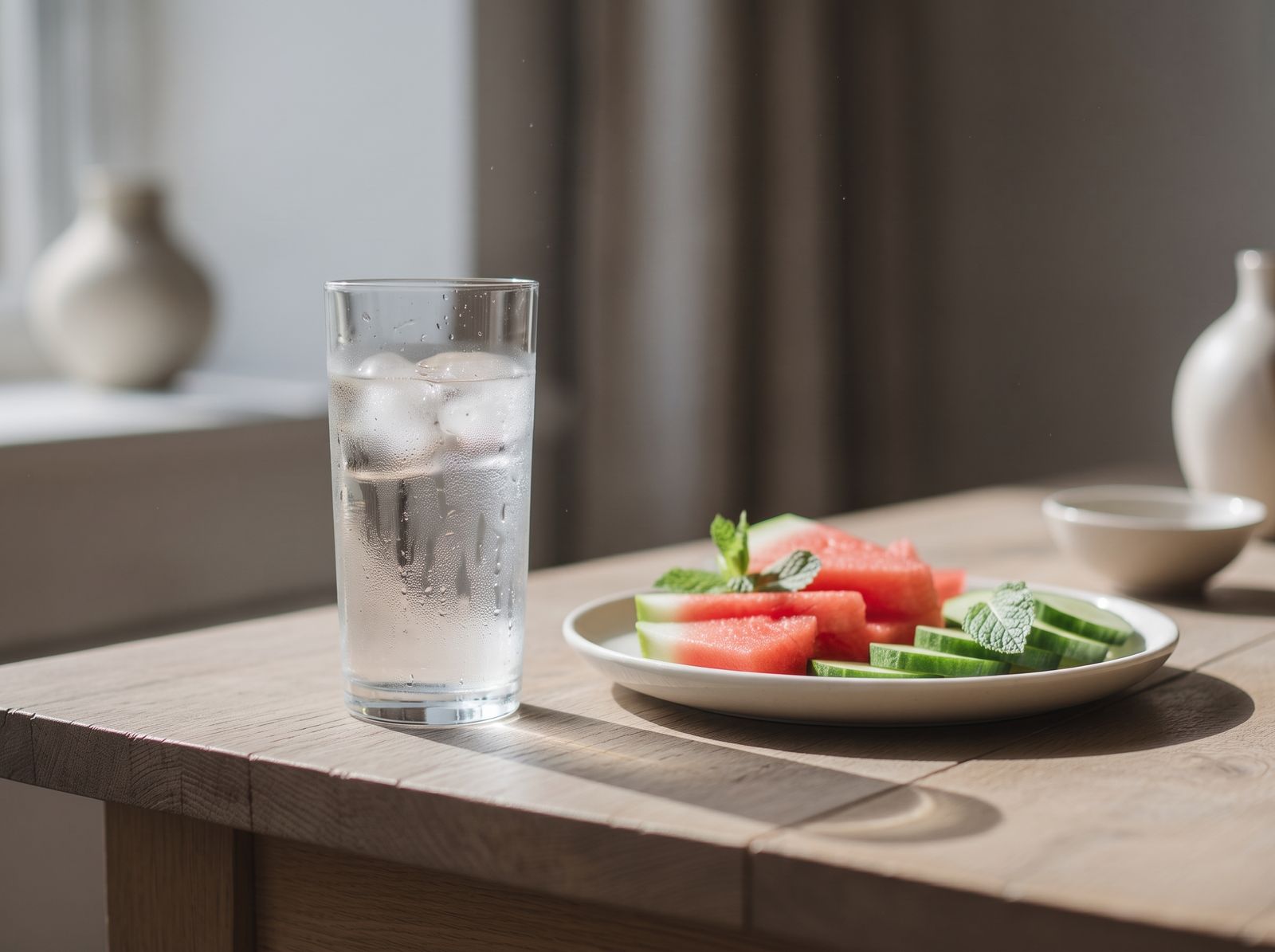
It is one small study, and dehydration came from exercise rather than heat, so it can’t be generalised far. Still, it suggests that some of the heavy, foggy feeling of summer may come from fluid that hasn’t been replaced.
Hot nights and sleep
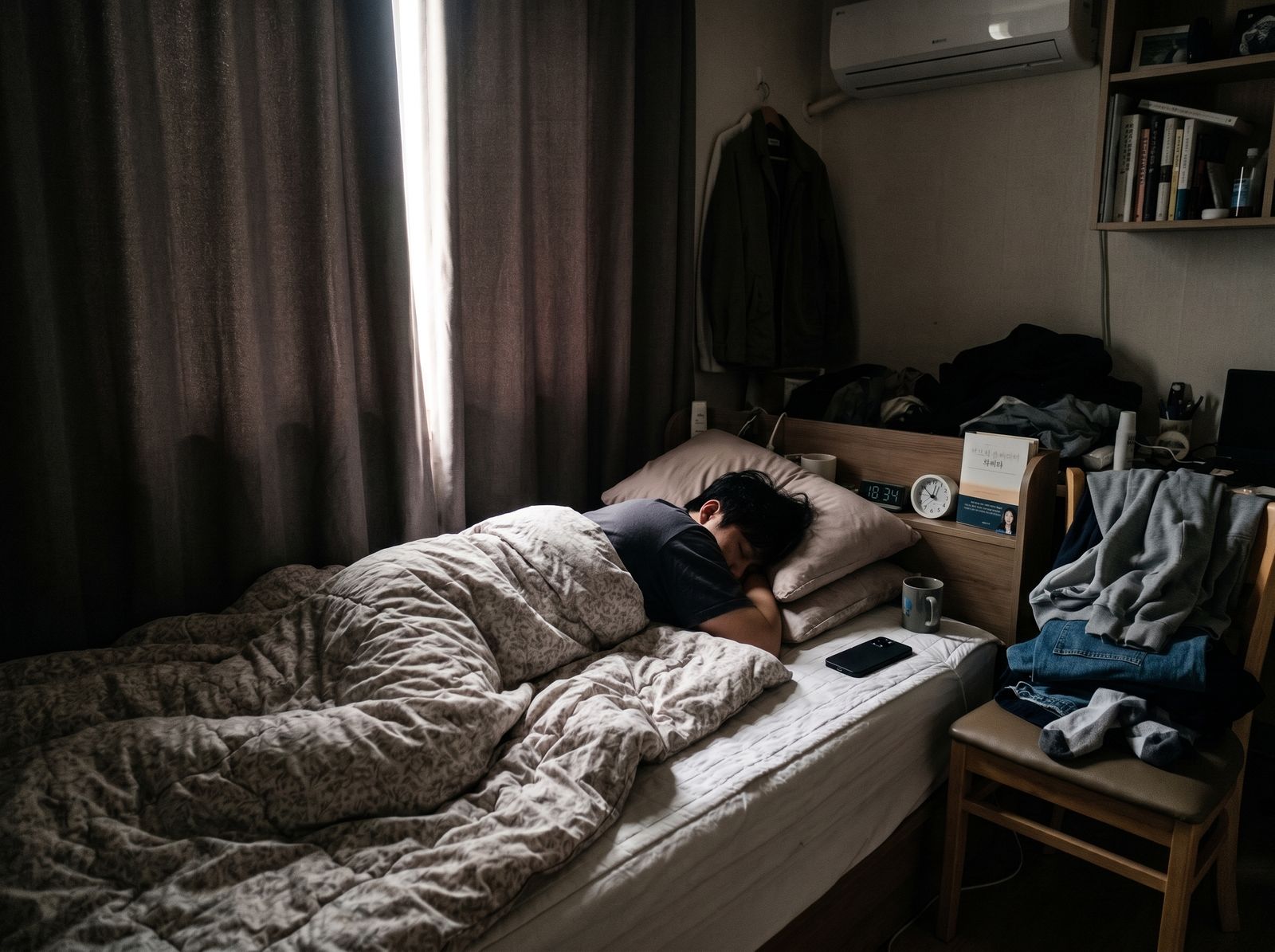
Sleep and temperature regulation are closely linked, so the temperature of the room changes how we sleep. A 2012 review of thermal environments and sleep found that, in real-life conditions with bedding and clothing, heat increased wakefulness and reduced slow-wave and REM sleep. Humidity added to the heat load during sleep.
So the day is spent coping with heat, and the night that should restore you becomes lighter. That helps explain why summer fatigue can build up over several days.
Drinking and eating: the basics
- Drink early and often, not only when thirsty. For activity on hot days, KDCA suggests about 500 ml beforehand and a cup every 20 minutes during.
- Don’t skip meals. Replacing a meal with a cold sweet drink makes it hard to cover both fluid and energy.
- The studies and public guidance this article draws on offer no evidence that a particular restorative dish or “summer superfood” relieves heat fatigue. Eating familiar, light, balanced meals as usual is the baseline.
- Rest in shade or air conditioning during the hottest hours, and wear light-coloured, breathable clothing (KDCA).
When it’s more than tiredness
WHO calls heat stress a leading cause of weather-related death and, based on studies of 2000 to 2019, estimates about 489,000 heat-related deaths a year. KDCA lists people aged 65 and over, children under five, pregnant women, people with chronic illness and older people living alone as most vulnerable.
Heat exhaustion
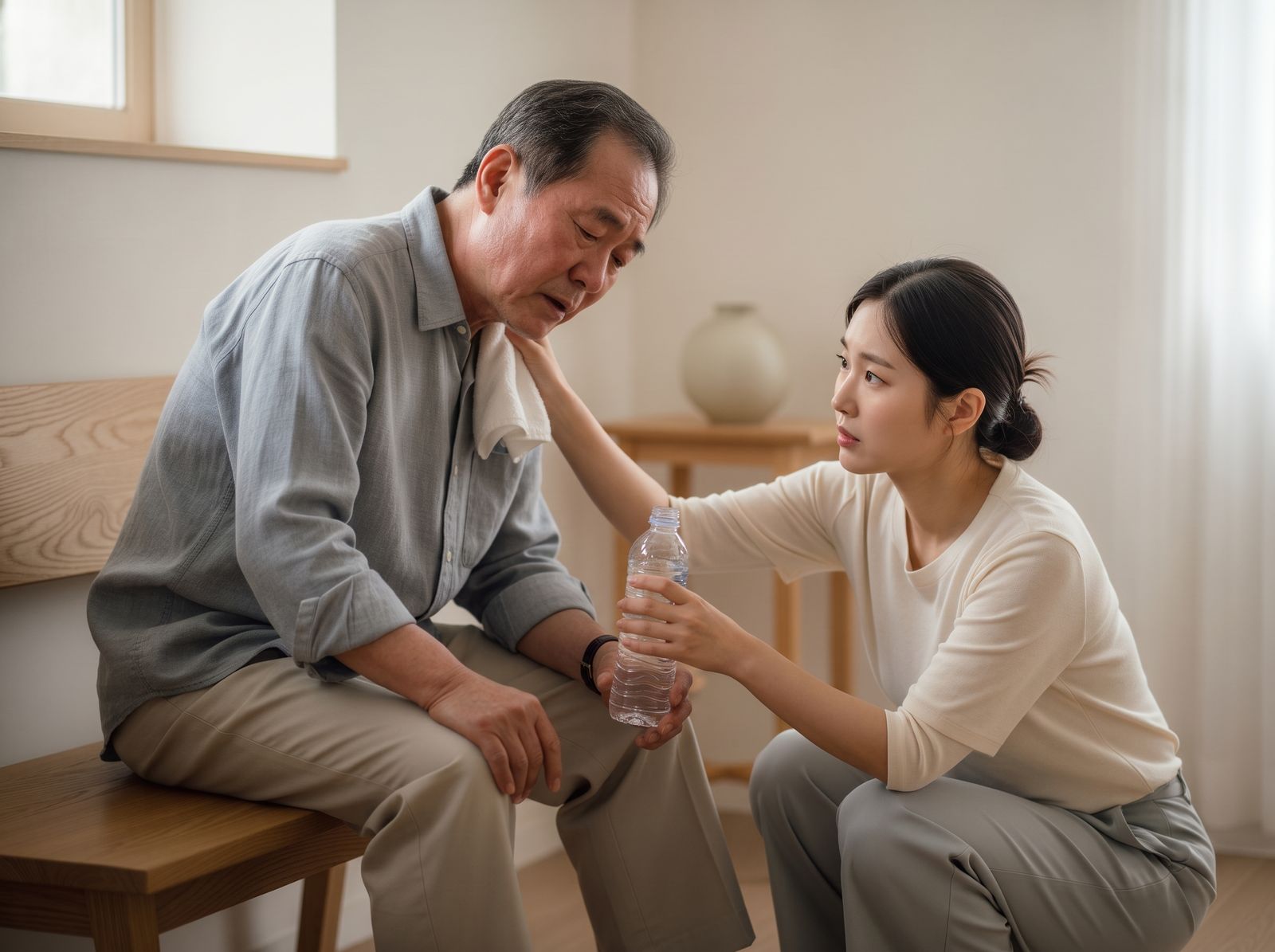
The CDC (NIOSH) lists headache, nausea, dizziness, weakness, irritability, thirst, heavy sweating and reduced urine output as signs of heat exhaustion. According to KDCA, body temperature is normal or slightly raised and rarely above 38.9 °C. Move to a cool place, rest, sip cool water often, and get checked by a clinician.
Heat stroke
Heat stroke is an emergency. KDCA notes that body temperature can exceed 41 °C and people often lose consciousness suddenly. The skin is often hot and dry, but the CDC adds that some people sweat heavily. With confusion, slurred speech, reduced consciousness or seizures, call emergency services at once, move the person somewhere cool, remove outer clothing, and cool them with cool water or wet cloths on the head, neck, armpits and groin. Give nothing to drink to someone who is not fully conscious, because of the risk of choking.
Questions
Why am I tired in summer even when I do nothing?
To lower its temperature the body widens skin blood vessels and sweats, and WHO notes that this strain stresses the heart and kidneys; sweating also costs water and salt. Hot nights also make sleep lighter, so fatigue is harder to shake off.
What is the difference between heat exhaustion and heat stroke?
In heat exhaustion, temperature is normal or slightly raised, with heavy sweating, dizziness, headache and nausea. Heat stroke means a very high temperature with confusion or slurred speech; it is an emergency, so call for help immediately.
How much water should I drink in hot weather?
Drink before you feel thirsty, and often. For activity in the heat, KDCA suggests about 500 ml beforehand and a cup every 20 minutes during. If you have been told to limit fluids because of kidney or heart disease, follow your doctor’s advice.
Sources
- 질병관리청 국가건강정보포털. 기후변화에 의한 폭염. 2026 업데이트
- World Health Organization. Heat and health. Fact sheet
- Centers for Disease Control and Prevention (NIOSH). Heat-related Illnesses
- Armstrong LE, Ganio MS, Casa DJ, et al. Mild dehydration affects mood in healthy young women. J Nutr. 2012
- Okamoto-Mizuno K, Mizuno K. Effects of thermal environment on sleep and circadian rhythm. J Physiol Anthropol. 2012
Want to know more?
If you’d like to try BAHI Longevity or talk to us, leave your details and we’ll be in touch.