In short
- There are walk-in cryochambers cooled with refrigerated air, and head-out cryosaunas filled with liquid nitrogen vapour. Their risks differ.
- A 2015 Cochrane review on post-exercise muscle soreness found only four randomised trials (64 people) and rated the evidence very low quality.
- Nitrogen is odourless and colourless and displaces oxygen. Deaths in Nevada in 2015 and Paris in 2025 both involved nitrogen and oxygen deprivation.
- In 2016 the US FDA said no whole-body cryotherapy device had been cleared or approved. If you have high blood pressure, heart or vascular disease, or cold allergy, avoid it or talk to a doctor first.
What cryotherapy is
Whole-body cryotherapy means a short exposure to extremely cold, dry air. The 2015 Cochrane review describes it as two to four minutes in a specialised chamber at temperatures below minus 100°C.
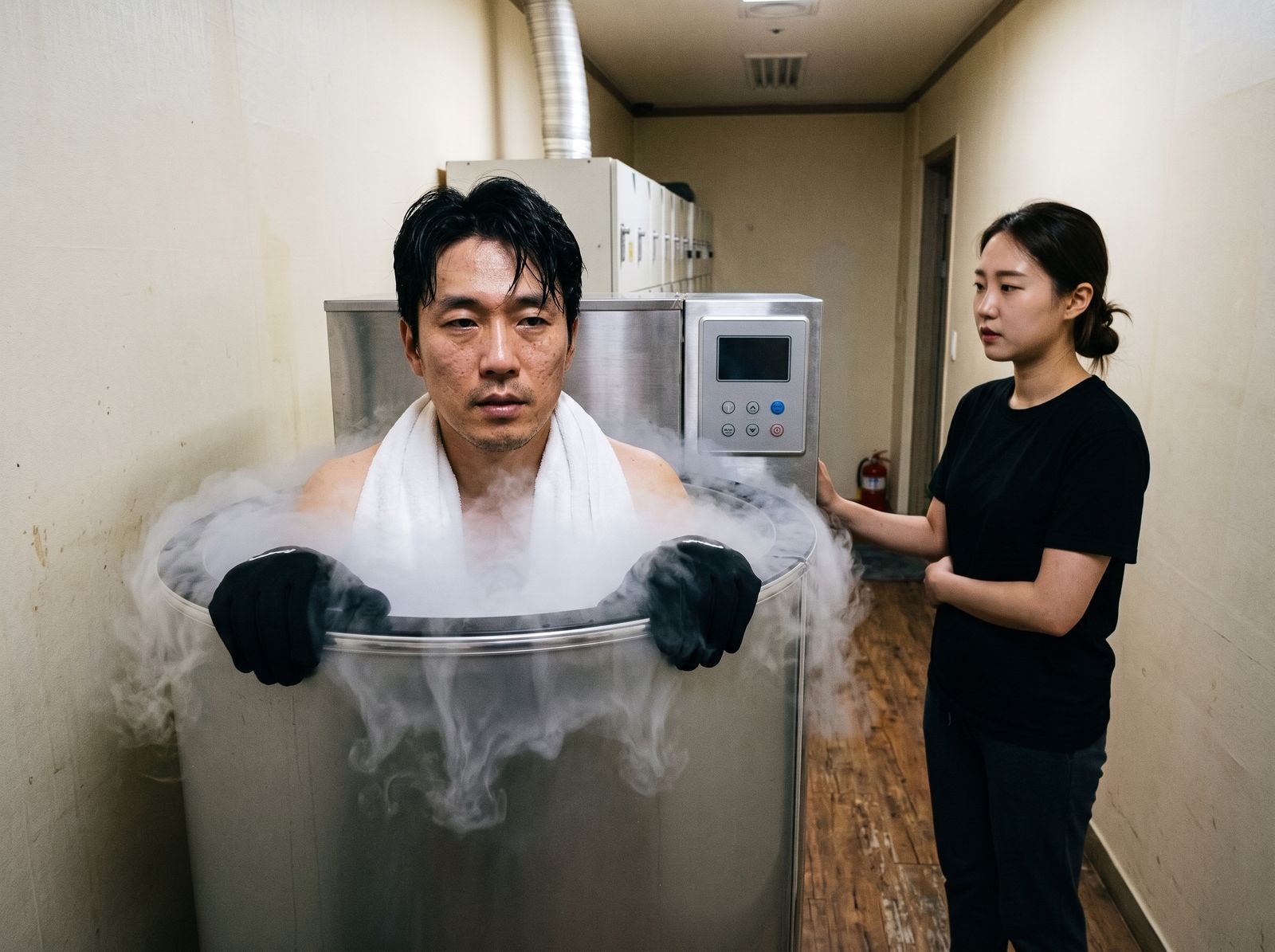
The name covers two quite different machines. According to a 2023 review by an international research consortium (Legrand and colleagues), one is the walk-in cryochamber, which you enter head and all; it is usually cooled with refrigerated air from an outdoor unit, at minus 50 to minus 150°C. The other is the cryosauna, a can-shaped booth you stand in with your head outside, into which liquid nitrogen vapour is injected directly, giving an air and nitrogen mix at about minus 190°C. The authors stress that the two are often confused but carry different risks.
How strong is the evidence for recovery?
The 2015 Cochrane review looked for trials on post-exercise muscle soreness and found four randomised trials with 64 participants (average age 23; all but four were men). The evidence for every outcome was rated very low quality, and the authors concluded there was not enough to say whether it reduces soreness or improves subjective recovery. None of the trials actively monitored for adverse events.
Research has continued since, so it would be wrong to say it does nothing. But how intense a treatment feels and how strong its evidence is are separate questions. In a 2016 consumer update the US FDA said no whole-body cryotherapy device had been cleared or approved, and warned against claims that it treats a range of conditions. For a comparison with cold water, see cold plunges and recovery.
When nitrogen pushes out oxygen
Nitrogen is not a poison in the usual sense. The problem is that in an enclosed space, nitrogen vapour lowers the oxygen available to breathe. With no smell or colour, it can cause unconsciousness before anyone notices. The FDA specifically warned of asphyxiation risk when liquid nitrogen is used for cooling. See how breathing works in the lungs.
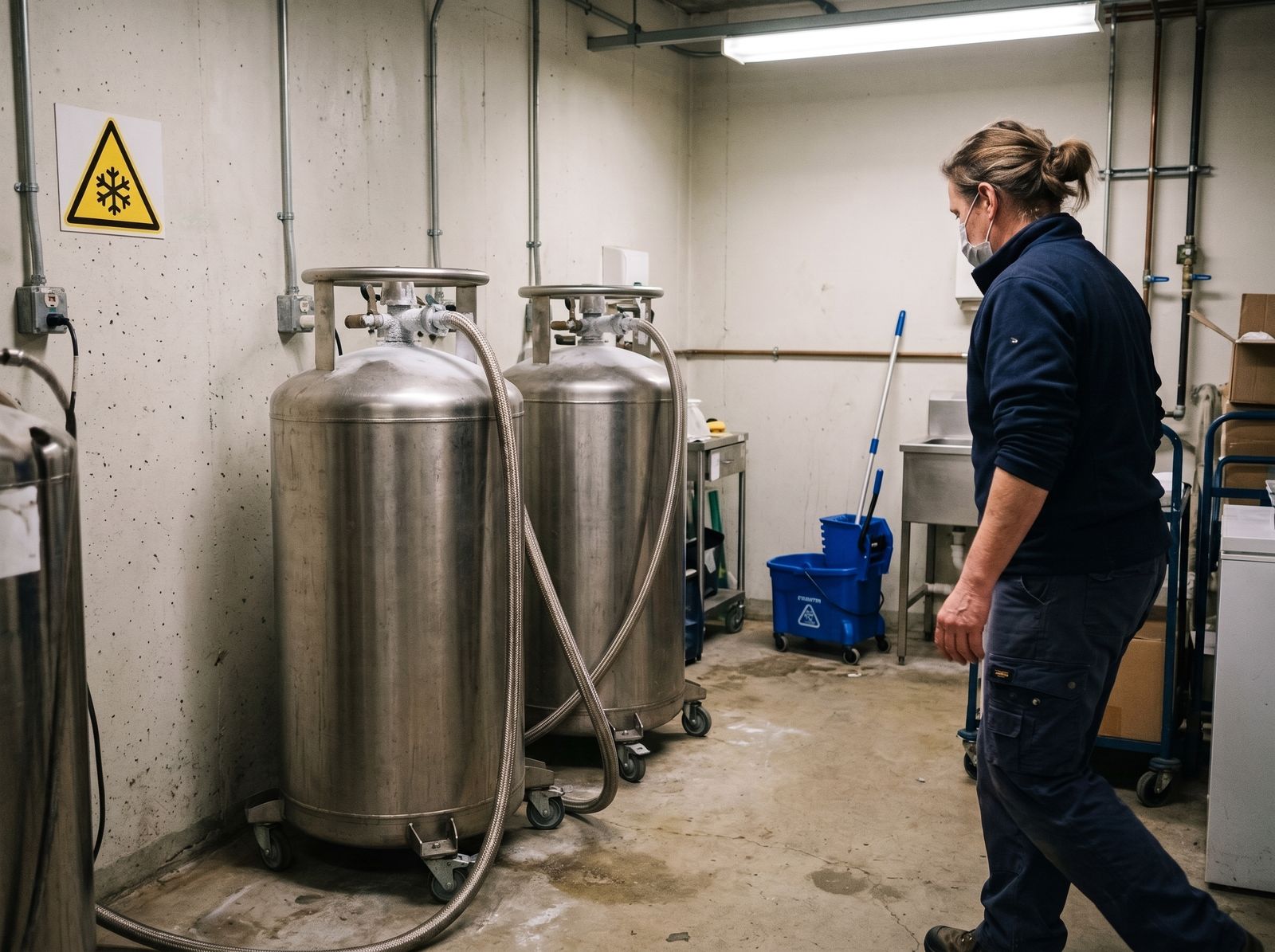
In October 2015 a 24-year-old employee of a spa in the Las Vegas area of Nevada was found dead after using a liquid-nitrogen-cooled chamber alone after hours. The Clark County coroner ruled the death asphyxia due to an oxygen-poor environment, noting that oxygen in such chambers can fall from about 21% in normal air to below 5%. Nevada’s Division of Industrial Relations then widened its review to the safety of cryotherapy.
On 14 April 2025, a suspected nitrogen leak around a liquid-nitrogen cryosauna at a sports centre in Paris’s 11th arrondissement killed a 29-year-old employee and left a 34-year-old client in critical condition. Three people who tried to help were also treated in hospital, and about 150 people were evacuated. According to the International Institute of Refrigeration, a nitrogen cylinder had been replaced that morning and a possible ventilation fault was under investigation by the Paris prosecutor and labour inspectors.
Skin, eyes and blood vessels
The other risks the FDA lists are frostbite, burns and eye injury. For true cooled-air whole-body cryotherapy, the 2023 consortium review identified 16 adverse events across five case reports and two randomised trials. Most were infrequent, minor and transient, but case reports also included vascular events such as brain haemorrhage and aortic dissection.
The authors concluded that risks can be kept within acceptable limits by following contraindications and safety rules. They also acknowledged that adverse events are probably underestimated because of underreporting and inconsistent reporting standards. For cryosaunas, they noted an inherently high risk of cold burns and oxygen deprivation because nitrogen is injected directly.
Who should avoid it, and what to check
If any of these apply, avoid cryotherapy or at least talk to a doctor first. The FDA also advises checking with a doctor before trying it.
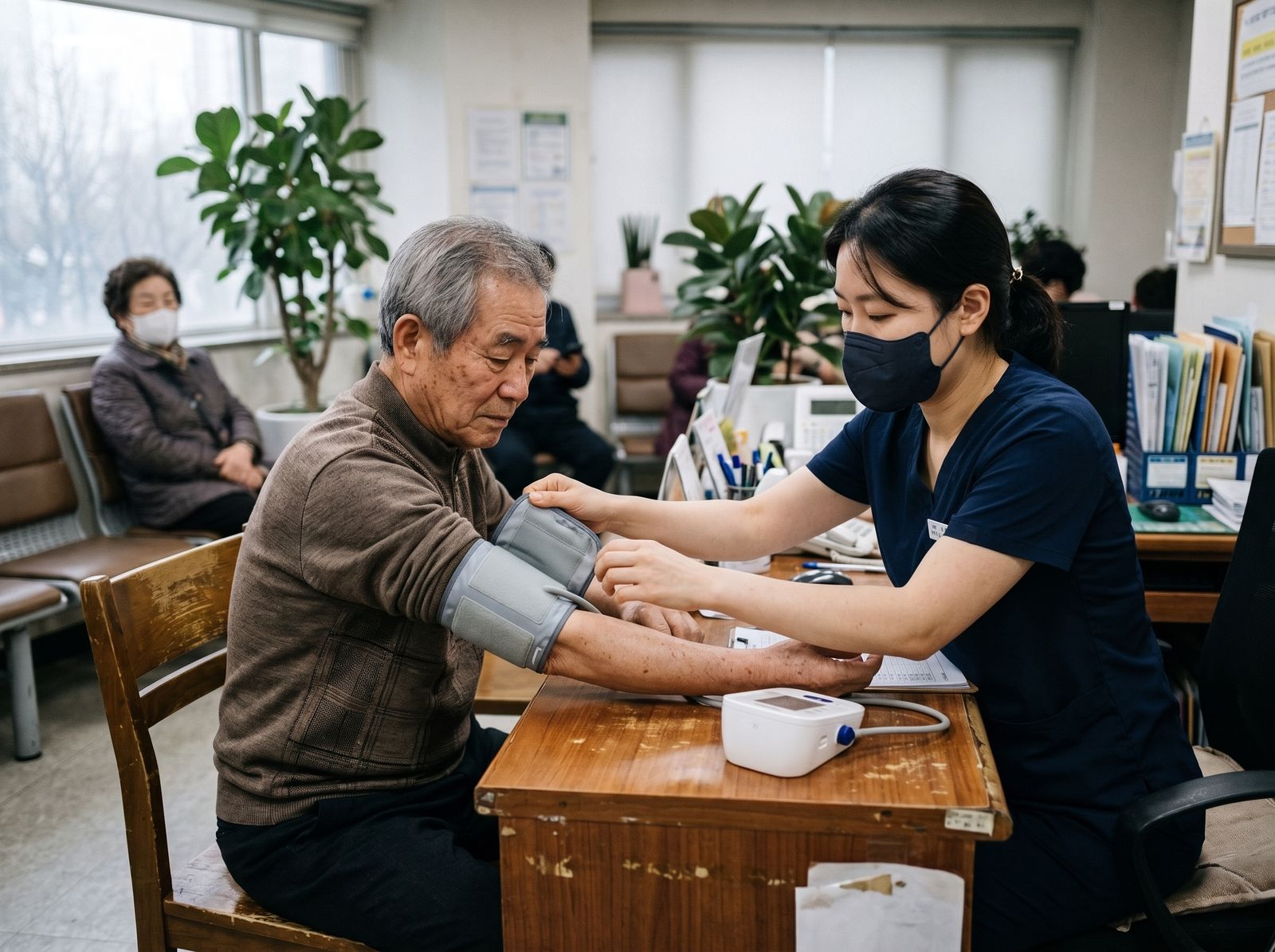
- High blood pressure, which the Bad Voslau expert consensus lists as an absolute contraindication
- Heart, brain or blood vessel disease, or a history of chest pain or fainting
- Hypersensitivity to cold, such as hives triggered by cold
- Pregnancy, or treatment for a diagnosed condition
If you go, only enter with staff watching, never alone. For nitrogen equipment, check there is ventilation and an oxygen sensor. Dry off sweat and moisture and wear the gloves and socks provided. Get out at once if you feel dizzy, short of breath or have chest pain. You can explore the heart in our body atlas.
Questions
Does whole-body cryotherapy work?
A Cochrane review of post-exercise soreness found only four trials (64 people) with very low quality evidence, too little to judge. It cannot be called useless, but it is not an established benefit either.
What are the side effects of whole-body cryotherapy?
Frostbite, cold burns, eye injury and hives have been reported, and rarely vascular events. Liquid-nitrogen equipment also carries a risk of asphyxiation from low oxygen, so ventilation and supervision matter.
How is cryotherapy different from an ice bath?
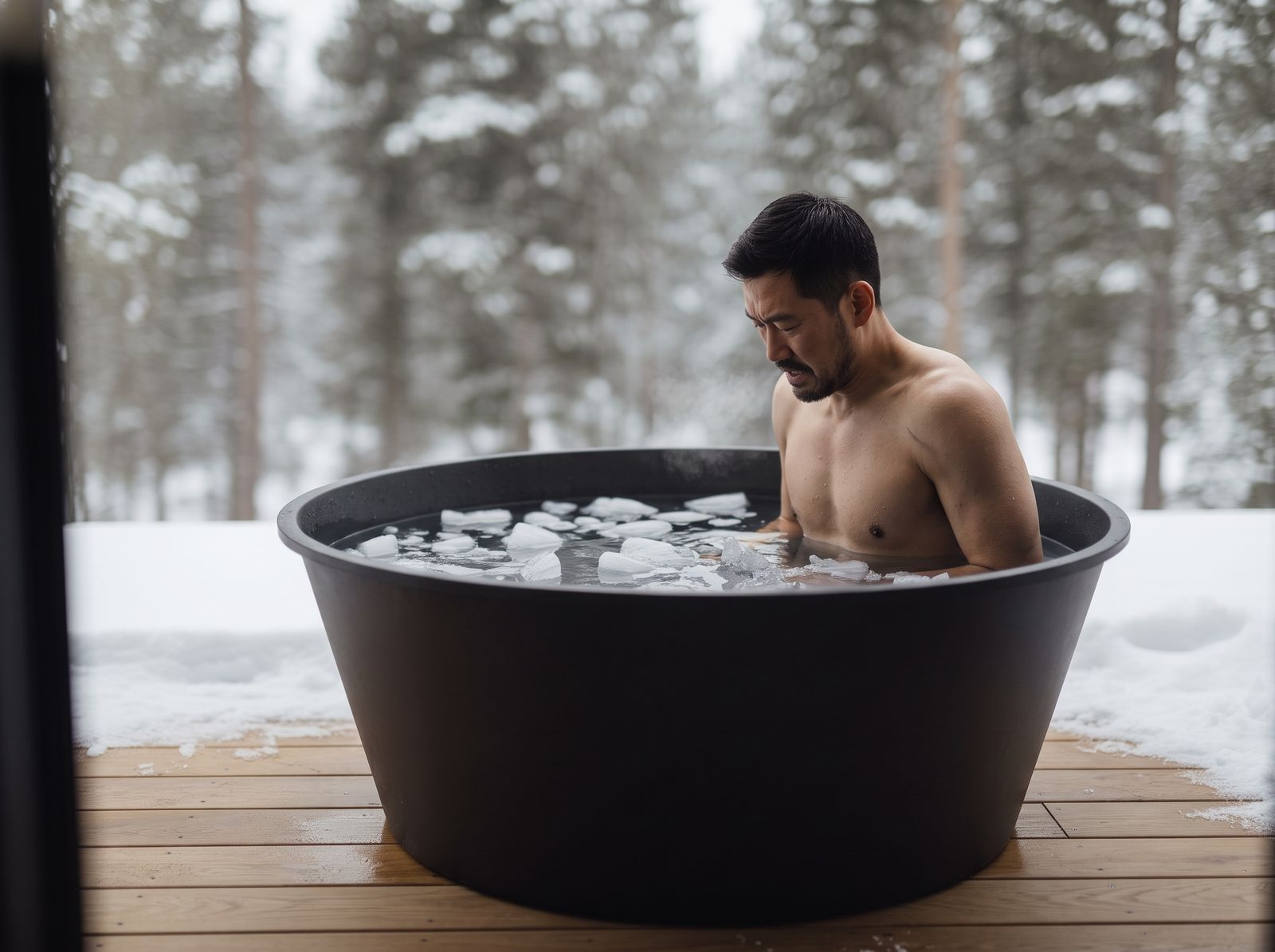
Cryotherapy uses air colder than minus 100°C; an ice bath uses cold water. Water draws heat from the body much faster than air, so the stimulus differs, and there is more research on cold-water immersion.
Sources
- Costello JT, et al. Whole-body cryotherapy (extreme cold air exposure) for preventing and treating muscle soreness after exercise in adults. Cochrane Database Syst Rev. 2015
- Legrand FD, et al. Evaluating safety risks of whole-body cryotherapy/cryostimulation (WBC): a scoping review from an international consortium. Eur J Med Res. 2023
- UPI. Beware whole body cryotherapy claims, FDA warns. 2016 (reporting the US FDA consumer update)
- NBC News. Nevada spa worker suffocated in cryochamber, coroner rules. 2015
- CBS News Sacramento. Nevada investigating cryotherapy safety after worker dies in frozen chamber. 2015
- International Institute of Refrigeration (IIR). Probe into fatal cryotherapy accident at a gym in Paris. 2025
Want to know more?
If you’d like to try BAHI Longevity or talk to us, leave your details and we’ll be in touch.